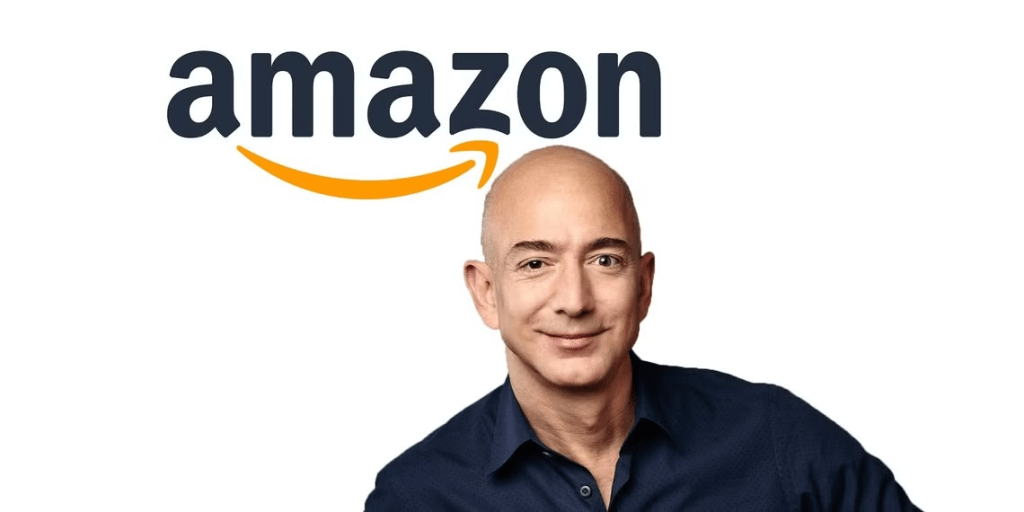
Too many meetings are filled with too many people, too much talking, and too little progress. Jeff Bezos, the founder of Amazon, recognized this early on and introduced a set of unconventional rules that transformed how decisions were made.
His approach? Smaller teams, no PowerPoint, and always keeping the customer in mind. These three principles—The Two-Pizza Rule, No PowerPoint, Just Memos, and The Empty Chair Technique—are simple yet highly effective for running focused, efficient, and high-impact meetings.
Let’s break them down and see how you can apply them to your own meetings.
1. The Two-Pizza Rule: Keep It Small, Keep It Efficient
What It Means:
If a meeting requires more people than two pizzas can feed, it’s too big. The ideal team size is 6-8 people—just enough for meaningful discussion without unnecessary voices slowing down decisions.
Why It Works:
- Reduces unnecessary opinions that dilute focus
- Encourages accountability and active participation
- Speeds up decision-making
How to Apply It in Meetings:
- Before scheduling, ask yourself: Does everyone here need to be involved?
- If a meeting has too many attendees, consider breaking it into smaller groups.
- Assign clear roles so everyone has a purpose in the discussion.

2. No PowerPoint, Just Memos: Think Before You Speak
What It Means:
At Amazon, PowerPoint presentations are banned. Instead, meetings start with a structured, six-page written memo that lays out the problem, key insights, and possible solutions. The first 20 minutes of the meeting are spent silently reading it.
Why It Works:
- Forces deep thinking and clarity—writing a memo requires more effort than throwing bullet points on a slide.
- Ensures everyone understands the problem before discussion begins.
- Eliminates flashy presentations that lack substance.
How to Apply It in Meetings:
- Replace slides with a written document (it doesn’t have to be six pages—start with one or two).
- Allocate silent reading time at the beginning of the meeting.
- Encourage participants to take notes and discuss only after reading is complete.
3. The Empty Chair Technique: The Customer Is in the Room
What It Means:
In Amazon meetings, one chair is intentionally left empty to symbolize the customer’s presence. This serves as a constant reminder that every decision should prioritize customer needs, not internal politics.
Why It Works:
- Shifts focus from internal opinions to real-world impact.
- Prevents teams from making decisions that benefit the company at the customer’s expense.
- Creates a customer-first culture.
How to Apply It in Meetings:
- Physically place an empty chair in the room to represent the customer.
- Before making a decision, ask: “How does this benefit our customers?”
- Assign someone to play the role of the customer and challenge ideas from their perspective.

Why These Techniques Work Together
Bezos’ rules aren’t about meetings themselves—they’re about thinking deeply, acting decisively, and staying customer-focused. When used together, they create a framework that:
✔ Keeps meetings small and productive
✔ Forces clear thinking before discussion
✔ Ensures every decision is customer-centric
Try applying one or all three in your next meeting and see the difference for yourself. Meetings should drive action, not just conversation.
Want to Make Every Meeting Count?
For a deeper dive into proven strategies that turn meetings into productive, focused sessions, check out our full guide:
How to Run Meetings That Don’t Waste Time
From Jeff Bezos’ no-PowerPoint rule to Sheryl Sandberg’s role assignment strategy—this article unpacks five high-impact methods that help teams save time and get better results.
Streamline Your Meetings with Our New Meeting Minutes Template
Want to make your meetings even more organized and actionable? Check out our newly added Meeting Minutes Template in our Etsy shop. Designed to help you capture key decisions, assign tasks, and keep teams aligned, this template is the perfect tool to implement Bezos’ productivity principles.
📩 Stay Connected!
Follow us on Instagram, LinkedIn, Pinterest, and Facebook for more productivity tips and tools. And don’t forget to sign up for our newsletter to get exclusive resources and updates straight to your inbox!




Leave a comment