

Attention!! BLACK FRIDAY DEAL!!
This is your one time chance!
Only for selected customers!
Limited edition!
Available for a short time only!
It sounds important.
It sounds urgent.
And before you even think about it, a small part of your mind reacts.
Curiosity. Excitement. Or the quiet thought: Maybe I should not miss this.
So let me ask you directly:
Why did you click on this article?
Curiosity?
A little fear of missing something?
This reaction is exactly what drives Black Friday every year.
You open your phone and the first thing you see is a flashing message: Only two hours left. Another store shows Just five items remaining. Your heart beats a little faster. You are not even sure you need the product, but suddenly it feels important.

This is the psychology of Black Friday at work.
What Happens in the Brain During Black Friday
Black Friday is built to play with emotional shortcuts that your brain uses to make quick decisions. These shortcuts usually help you in daily life, but during sales they turn into powerful triggers.
1. Dopamine Creates the Feeling of a Win
The idea of getting a discount releases dopamine.
You feel rewarded even before you buy anything.
This reward signal pushes you to act fast.
2. Fear of Missing Out Makes You Hurry
Messages like low stock or people are watching this item right now activate a mild survival instinct.
If others want it, it must be valuable.
You feel pressure to decide quickly.
3. Losing a Deal Feels Worse Than Overspending
Humans dislike losing something more than gaining something of equal value.
A countdown creates the sense of losing a chance, even if you never wanted the product before.
4. Too Many Choices Lead to Impulse Buying
Black Friday overloads your brain with offers.
Decision fatigue sets in.
Once that happens, you choose based on emotion, not logic.
This is why people buy items they never planned to buy.
Why We Buy Things We Do Not Need
Most Black Friday purchases do not come from real needs.
They come from emotional triggers:
- urgency
- scarcity
- reward signals
- social pressure
- and the illusion of a rare opportunity
The result is simple: you feel like you are saving money while you may actually be spending more than planned.
How To Stay in Control During Black Friday
You do not have to avoid Black Friday.
You just need a plan that keeps your mind calm and your decisions clear.
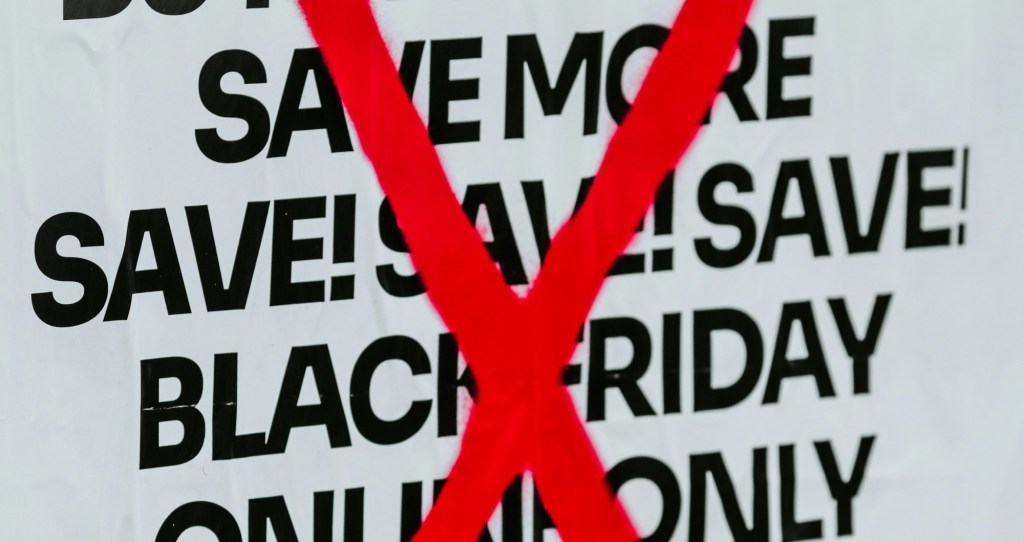
1. Make a List Before the Sales
- Write down what you truly need.
- You can use our Black Friday Shopping list below (free download)
- If it is not on the list, ignore the discount.
- This one step removes most impulse buying.
2. Set a Budget
- Without a budget, emotions take over.
- A clear number protects you from regret.
3. Check Real Prices
- Some stores raise prices before the sale and then lower them.
- Track prices a few weeks earlier or use a price history tool.
- A real deal stays a deal.
4. Slow Down When You See a Timer
- Countdowns and low stock messages exist to push you into fast decisions.
- Pause.
- If the product is important, a short break will not change anything.
5. Use a Waiting Rule
- Keep a 1 hour rule or 24 hour rule for items that are not essential.
- If the desire fades after waiting, it was an impulse, not a need.
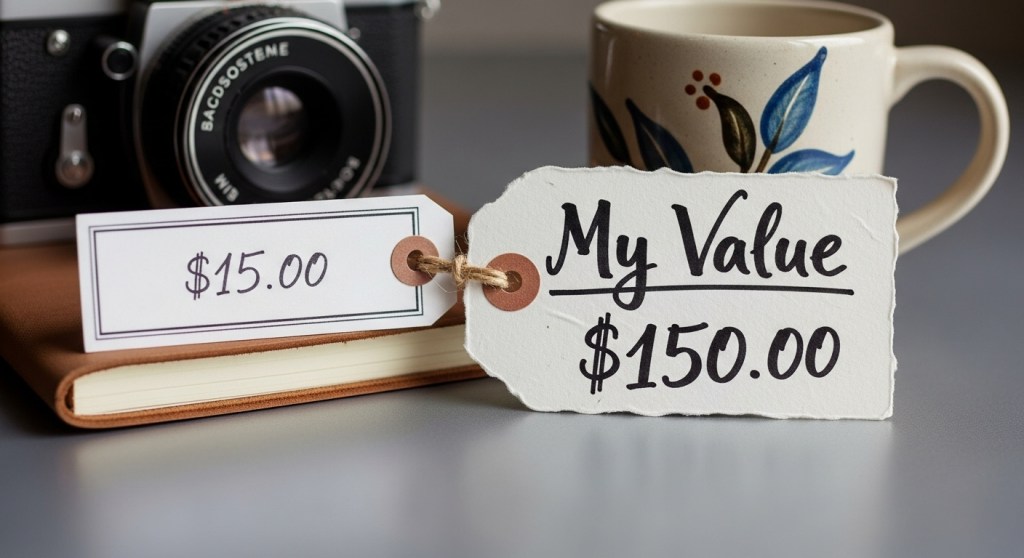
6. Focus on Value, Not on the Discount
- A product is not useful only because it is cheaper.
- Ask yourself:
- Would I buy this at full price?
- If the answer is no, skip it.
Black Friday Does Not Have To Control You
Black Friday is designed to influence your emotions, attention and decisions.
But with a list, a budget, a pause and clear limits, you stay in control.
- You choose what you buy.
- Not the timer.
- Not the urgent banner.
- Not the fear of missing out.
Free Black Friday Shopping List Download
If you want extra support during the Black Friday period, you can use a simple tool that keeps your decisions clear and intentional. I created a free Black Friday Shopping List that helps you plan before the offers appear. It guides you through three important steps:
- What you actually need
- What you can wait for
- What your budget allows
The list gives you space to write down items, check real prices, and decide if a deal is worth it. It also includes a small reflection section to help you see if the purchase is based on need or impulse.
You can download it for free and use it on your phone or print it out.
It is a small resource that makes a big difference and keeps your mind in control during a very noisy shopping season.






Leave a comment