
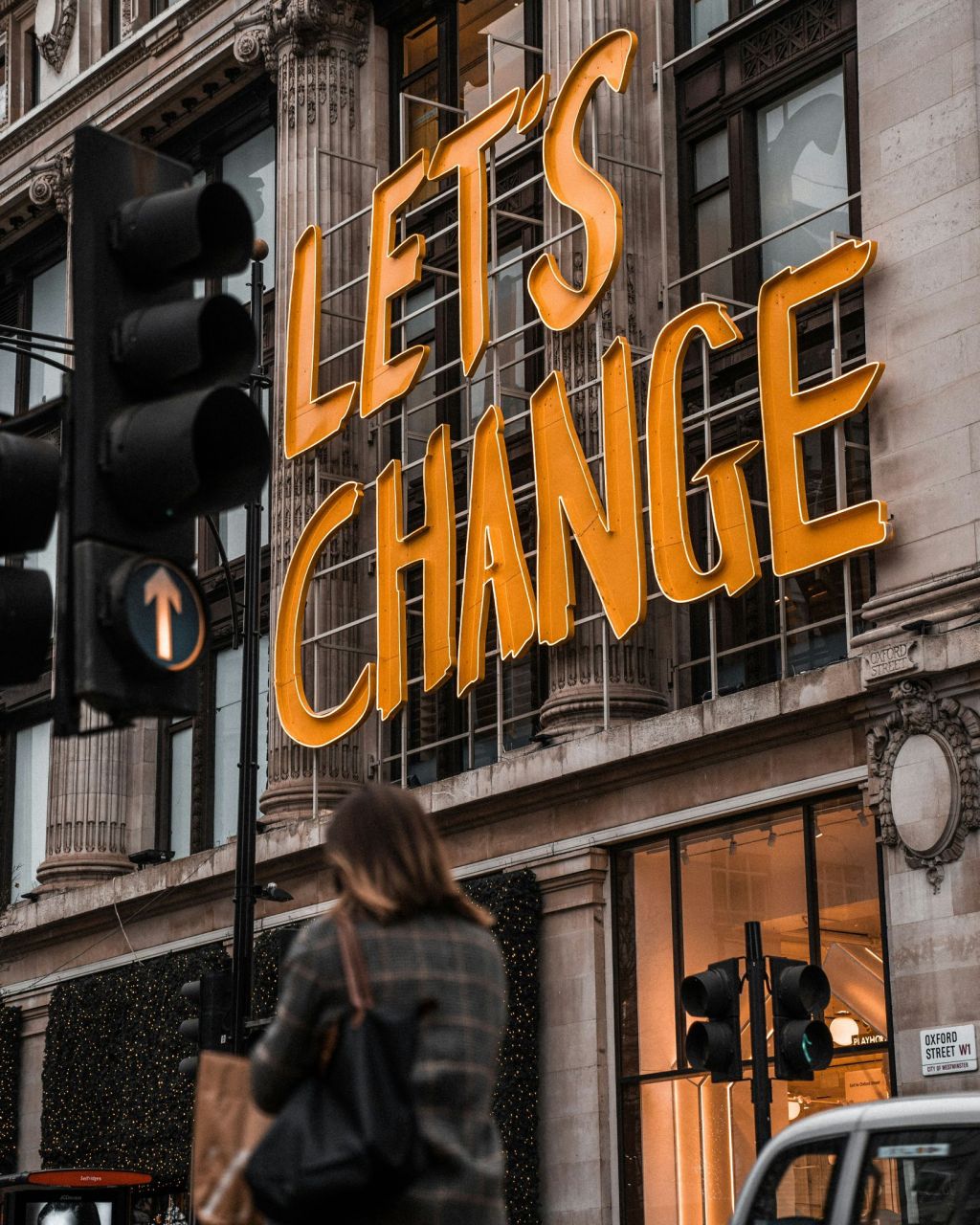
You want things to be different. More focus. Better habits. Less stress. You make plans and promises, but somehow life stays the same. Not because you do not care, but because change feels harder than staying where you are. This is the Change Paradox.
The Change Paradox describes a simple but powerful truth. We want improvement, but at the same time we resist it. The same mind that dreams about change also protects what feels familiar. Even when the familiar is uncomfortable.
Why Change Feels So Difficult
Your brain is designed to keep you safe, not to make you grow. Familiar routines use less mental energy. New behaviour requires attention, effort and uncertainty.
This creates a paradox. You know change would help you, but the moment you try, your mind pushes back. You feel tired, distracted or doubtful. This is not weakness. It is biology.
The brain often chooses comfort over progress.
How the Change Paradox Shows Up in Professional Life
At work, change often looks good on paper but feels risky in reality. You may want to speak up more, set better boundaries or learn a new skill. Yet you stay quiet, keep old habits or delay learning.
The reason is simple. Change threatens your current identity and status. Even small adjustments can feel unsafe. The paradox keeps you in patterns that no longer serve you.
Over time this leads to stagnation and frustration.
The Change Paradox in Home Office
Working from home makes the paradox stronger. Without external structure, routines become deeply ingrained. You know you should take breaks, move more or manage time better. Still, the day slips by in the same pattern.
Change requires conscious effort. And when energy is low, the brain chooses the path it already knows.
How It Affects Studying
Students often experience the Change Paradox when study habits stop working. They want better focus, but keep checking the phone. They want deeper understanding, but continue surface learning.
Change demands patience and discomfort before results appear. Many people give up in this early phase because it feels worse before it feels better.
How It Influences Daily Life
In daily life, the Change Paradox appears in health, relationships and personal goals. You want to exercise more, eat better or communicate clearly. But the old pattern feels easier.
The paradox teaches us that wanting change is not enough. Understanding resistance is key.
How to Work With the Change Paradox
Change becomes easier when you stop fighting your brain and start guiding it.
1. Start small
Big changes trigger strong resistance. Small steps feel safer.
2. Focus on systems not motivation
Motivation fades. Systems support consistency.
3. Accept discomfort
Discomfort is not failure. It is a sign of learning.
4. Repeat until familiar
Once new behaviour feels normal, resistance fades.
Change Begins With Awareness
The Change Paradox reminds us that resistance is not the enemy. It is information. When you understand why change feels hard, you can design better paths forward.
Progress does not come from forcing yourself. It comes from working with how the mind truly operates.








Leave a comment