
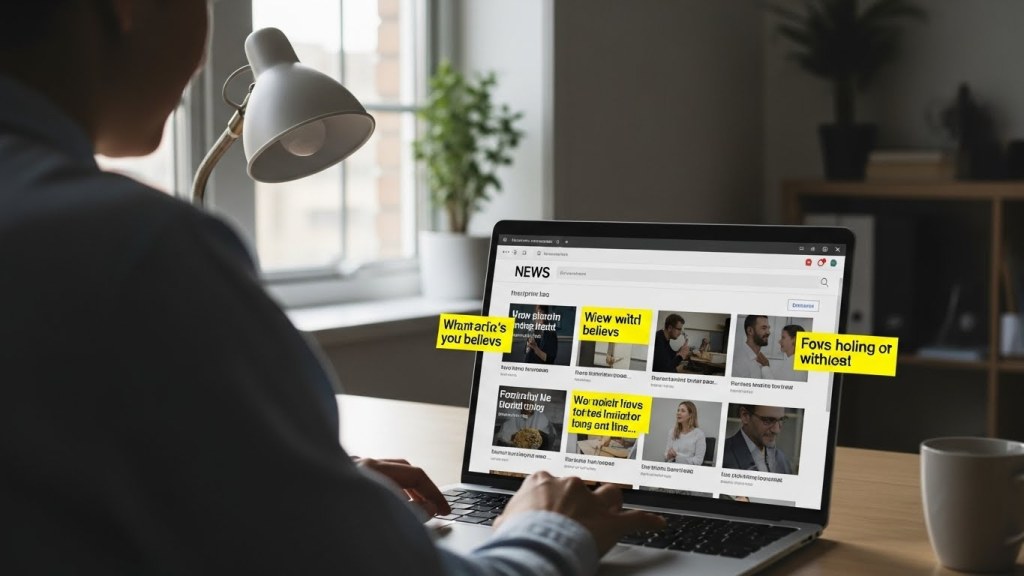
The human brain did not evolve to analyze spreadsheets or long term plans. It evolved to keep us safe and help us act fast. To do this, the brain uses mental shortcuts. These shortcuts save energy and time, but they also lead to systematic errors. These errors are called cognitive biases.
Cognitive biases are not flaws or signs of low intelligence. They are normal patterns of thinking that affect everyone. The problem starts when we are unaware of them.
Why Cognitive Biases Exist
The brain processes huge amounts of information every second. To avoid overload, it filters, simplifies, and fills in gaps. This helps us function, but it also distorts reality.
Psychologists Daniel Kahneman and Amos Tversky showed that people rely on intuitive thinking far more than logical analysis. Their research explains why we often feel confident about decisions that are based on incomplete or biased information.
Common Areas Where Biases Influence Us
Cognitive biases show up in many parts of life. You may think you are being objective, but bias often decides first and logic follows later.
At work, biases influence hiring decisions, project planning, and performance reviews. In home office settings, they affect how we judge productivity, prioritize tasks, and respond to messages.
When studying, biases shape how we evaluate our understanding. You may feel confident because something looks familiar, not because you truly understand it.
In daily life, biases influence shopping decisions, relationships, and how we interpret news and social media.
Decision Making at Work
In professional life, decisions are often made under pressure. Deadlines, meetings, and limited information push the brain toward quick judgments.
You may favor ideas that support your current opinion. You may overvalue things you already own or have invested time in. You may trust information simply because you have seen it before.
These patterns can lead to poor decisions, missed opportunities, and unnecessary conflict.
Decision Making in Home Office Life
Working from home blurs boundaries. You may believe you are productive because you are busy, even if the work has little impact.
Biases can make you overestimate how much you achieved or underestimate how long tasks take. They can also influence how you interpret emails and messages, leading to stress or misunderstandings.
Awareness of bias helps you pause before reacting and choose more deliberately.
Decision Making While Studying
Students often rely on feelings of familiarity instead of real understanding. Reading notes repeatedly may feel productive, but it does not always lead to learning.
Biases also affect confidence. You may think you know a topic well until you try to explain it. Reflecting on how you study and test yourself helps reduce these errors.
Why This Awareness Matters
When you understand cognitive biases, you gain distance from your thoughts. You start to question assumptions instead of acting on them automatically.
This does not mean you eliminate bias. That is not possible. But you can design better decisions by slowing down, seeking different views, and using simple checks.
What Comes Next in This Series
This article introduces the foundation. The upcoming articles will explore specific biases in more detail.
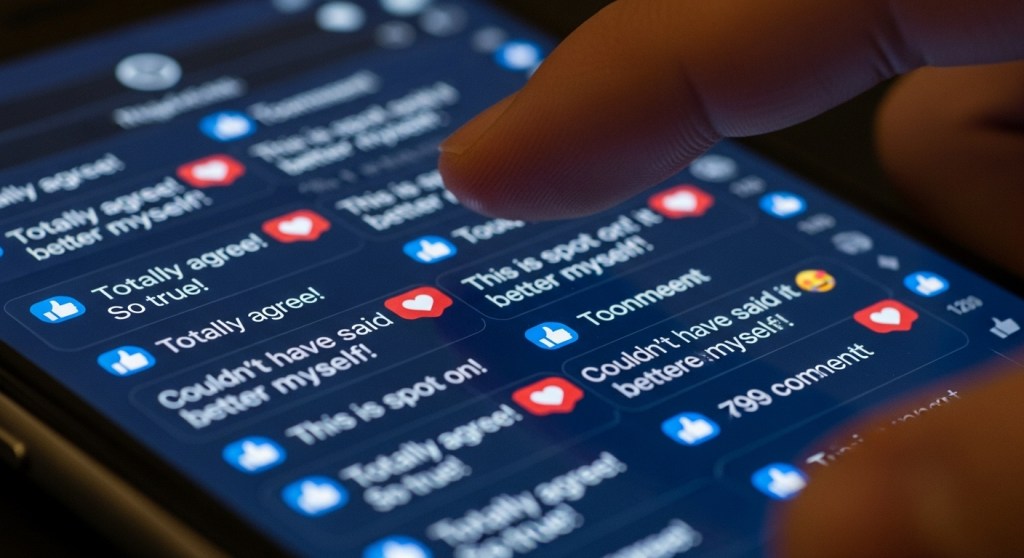
- Confirmation Bias explains why we seek information that supports our beliefs.
- Endowment Effect shows why we overvalue what we already own.
- Mere Exposure Effect reveals why familiarity feels like truth.
- Priming explains how subtle cues shape decisions.
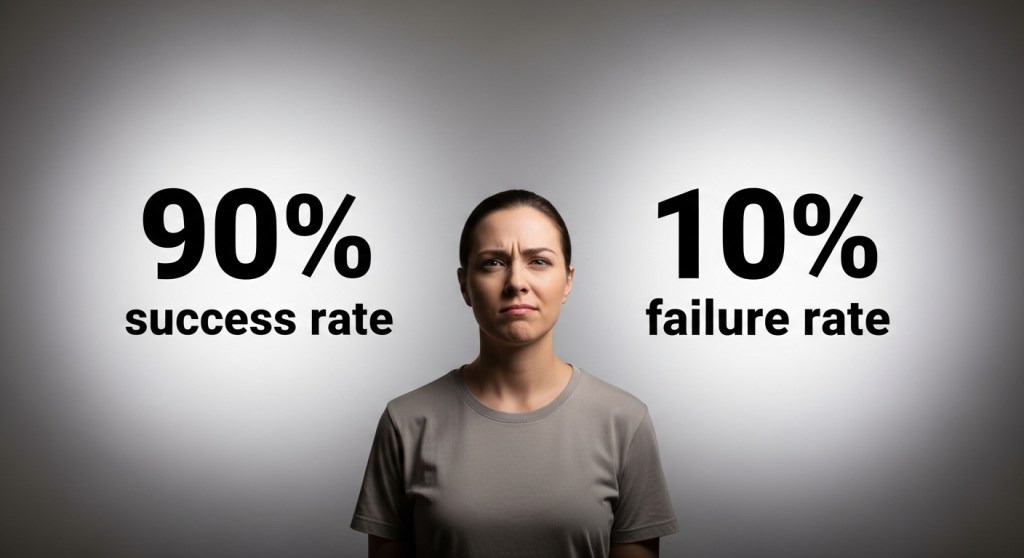
- Framing shows how the same information leads to different choices depending on how it is presented.
Each of these affects your work, learning, and everyday life more than you might expect.
A Small Shift With Big Impact
Better decisions do not come from more willpower. They come from better awareness.
When you understand how your mind works, you stop fighting it and start working with it.





Leave a comment