

You see a name, a logo, or an idea again and again. At first you feel neutral. After a while it feels familiar. Soon it feels right. You trust it more, even though nothing new has been added.
This is the mere exposure effect.
As a psychologist, I often explain this effect as our tendency to like, trust, and believe things simply because we have seen them many times before. Familiarity creates comfort. Comfort is often mistaken for truth.
What the mere exposure effect really is
The mere exposure effect was first studied by psychologist Robert Zajonc. His research showed that people develop a preference for things merely because they are familiar with them. No logical reason is required. Repetition alone is enough.
From a brain perspective, familiar information is easier to process. This ease feels good. The brain interprets this feeling as a positive signal. If something feels easy, it must be safe. If it is safe, it must be right.
This process happens without awareness. You do not decide to trust something more. Your brain quietly does it for you.
How it affects professional life
At work, the mere exposure effect shapes decisions more than we realize.
Ideas repeated in meetings start to feel better than new ideas, even when the new ones are stronger. People who speak often are perceived as more competent. Brands and tools we see every day feel more reliable than unfamiliar alternatives.
In home office settings, this effect increases. We consume the same sources of information daily. The same voices shape our thinking. Over time, familiarity replaces evaluation.
This can limit creativity, reinforce outdated processes, and make teams resistant to new perspectives.
Studying and learning under the mere exposure effect
Students often confuse familiarity with understanding.
Reading the same notes multiple times creates a sense of fluency. The material feels known. But studies in cognitive psychology show that recognition is not the same as recall. Feeling familiar does not mean you can use the knowledge.
This is why rereading feels productive but often leads to poor exam performance. The brain enjoys the comfort of recognition and avoids the discomfort of testing.
Everyday life and opinions
In daily life, repeated exposure shapes beliefs and preferences.
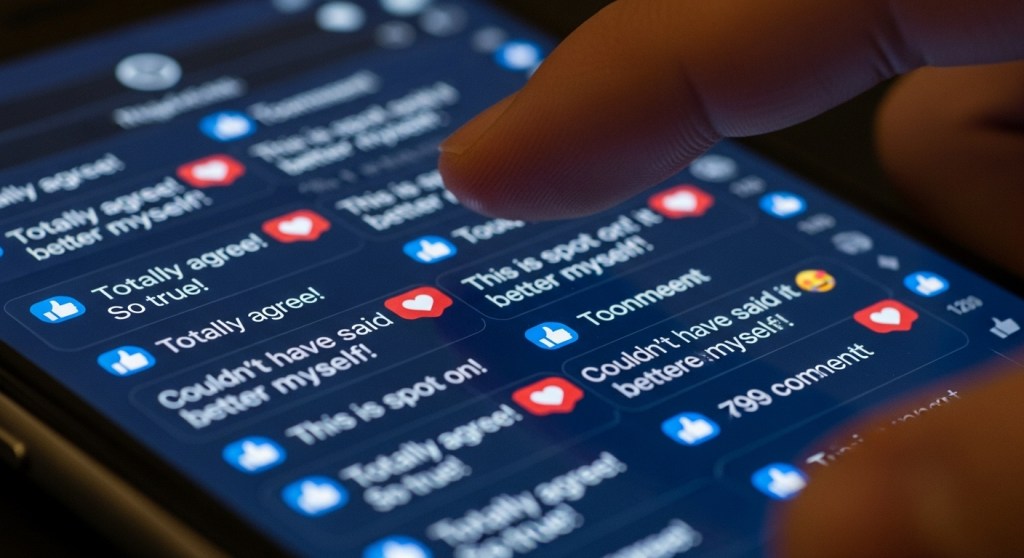
Advertisements work because they repeat. Headlines influence opinion through frequency. Social media feeds show the same messages again and again until they feel normal and true.
Even personal beliefs can be shaped this way. If you tell yourself a story often enough, it starts to feel like reality.
The danger is not exposure itself, but unexamined exposure.
Why the brain relies on familiarity
From an evolutionary view, familiarity meant safety. What you had seen before did not harm you. The brain learned to trust the known.
The brain also saves energy by preferring what is easy to process. New information requires effort. Familiar information flows smoothly.
In modern life, this shortcut often leads us away from critical thinking.
How to counter the mere exposure effect
Awareness is the first step.
Ask yourself why something feels right. Is it because it is true or because it is familiar.
Actively seek new sources. Change who you read, watch, and listen to.
In learning, replace rereading with retrieval practice. If you can explain it without looking, you understand it.
At work, give new ideas time. Initial discomfort does not mean low quality. It often signals novelty.
Why this matters
Familiarity is not evidence. Comfort is not accuracy.
The mere exposure effect quietly shapes beliefs, decisions, and preferences. When you learn to separate feeling from fact, your thinking becomes clearer and more independent.
This article is part of the series Decision Making and Cognitive Biases. In the next articles, we will explore Priming and Framing, and how subtle cues influence your choices without you noticing.
Better decisions begin when you question why something feels true.
Explore the full series: How Decision Making Really Works






Leave a comment