
-
 Continue reading →: Kodawari: The Pursuit of Excellence in Every Detail
What drives true mastery? Is it talent, passion, or something deeper? Kodawari, a Japanese philosophy rooted in the pursuit of perfection, answers this question. It’s about committing wholeheartedly to your craft, pouring unwavering attention into the smallest details, and striving to achieve the highest possible quality—regardless of whether anyone notices.…
-
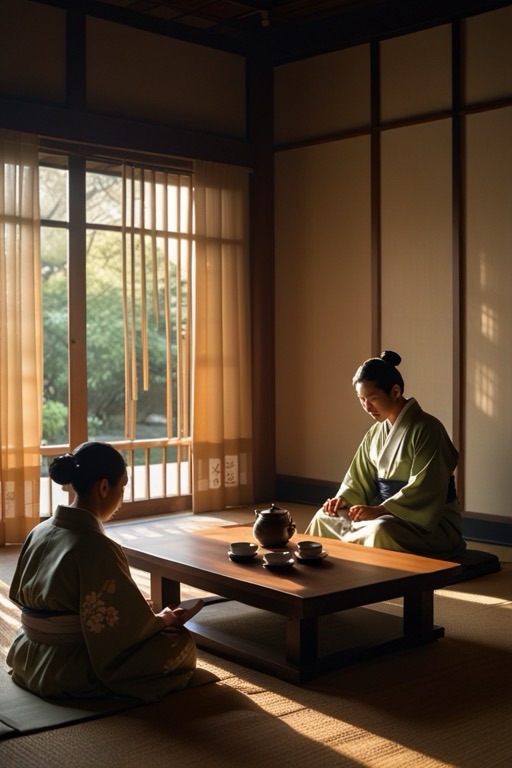 Continue reading →: Ichigo Ichie: The Art of Embracing the Unrepeatable
What if every single moment in your life was a once-in-a-lifetime event? This is the essence of Ichigo Ichie, a beautiful Japanese philosophy that reminds us to cherish each experience as unique and unrepeatable. The phrase translates to “one time, one meeting,” encapsulating the idea that no two moments in…
-
 Continue reading →: Embracing Shoshin: The Beginner’s Mindset for Lifelong Learning and Growth
Imagine approaching every day as though you know nothing—a childlike curiosity sparking excitement, questions, and the opportunity to grow. What if you could let go of ego, assumptions, and the fear of failure, and instead open yourself to the possibilities each moment offers? This is the heart of Shoshin, the…
-
 Continue reading →: Embracing Imperfection: Exploring the Beauty of Wabi-Sabi
Imagine finding beauty not in polished perfection, but in the cracks and flaws that tell a story. Picture valuing the fleeting nature of life rather than fighting it, and embracing the elegance of simplicity instead of chasing excess. This is the essence of Wabi-Sabi, the Japanese philosophy that finds perfection…
-
 Continue reading →: “I Am Because We Are”: Embracing the Ubuntu Philosophy for a More Connected Life
Imagine a world where your success isn’t measured by what you achieve alone, but by how you uplift those around you. A world where community thrives because every individual believes their humanity is tied to the humanity of others. This is the essence of Ubuntu, a profound African philosophy that…
-
 Continue reading →: Vadudheiva Philosophy: Embracing Unity and Interconnectedness
Vadudheiva is a profound philosophical concept rooted in ancient Indian thought that emphasizes the unity and interconnectedness of all beings. This philosophy, which finds its foundation in the Vedic and Upanishadic traditions, advocates for a harmonious relationship between individuals, society, and the cosmos. In this blog, we will delve into…
-
 Continue reading →: “Truth is One” Philosophy: Unity in Diversity
The “Truth is One” philosophy is a timeless and universal concept that highlights the unity underlying the diverse expressions of truth found across different cultures, religions, and philosophies. This profound idea promotes a sense of harmony and understanding, encouraging individuals to recognize the common threads that connect us all. In…
-
 Continue reading →: Viktor Frankl’s “The Will to Meaning”: Finding Purpose in Life
Viktor Frankl, a renowned Austrian psychiatrist and Holocaust survivor, developed a groundbreaking approach to psychotherapy known as logotherapy. Central to this approach is the concept of “The Will to Meaning,” which posits that the primary drive in human beings is the pursuit of meaning in life. This blog explores Frankl’s…
-
 Continue reading →: Exploring Eudaimonia: The Pursuit of Human Flourishing
Eudaimonia, a term rooted in ancient Greek philosophy, represents the concept of human flourishing or the highest form of happiness. Unlike fleeting pleasures, eudaimonia is about living in accordance with one’s true self, fulfilling one’s potential, and achieving a state of well-being through virtuous living. This blog post delves into…
-
 Continue reading →: New Year Challenge Ideas to Transform Your Life in 2025
The start of a new year offers a clean slate, a time to reflect on the past and set intentions for the future. Instead of making traditional resolutions, consider taking on a challenge. Challenges can be exciting, structured, and achievable, offering the perfect opportunity to build new habits and break…
This is Roya Bloom!
Your Day, Your Way, Our Planner

Questions, suggestions, or just want to say hello? We’d love to hear from you! Reach out to us using the information below, and our team will get back to you as soon as possible. Let’s make things happen together!
Let’s connect
Join the fun!
Stay updated with our latest productivity hacks by joining our newsletter.