
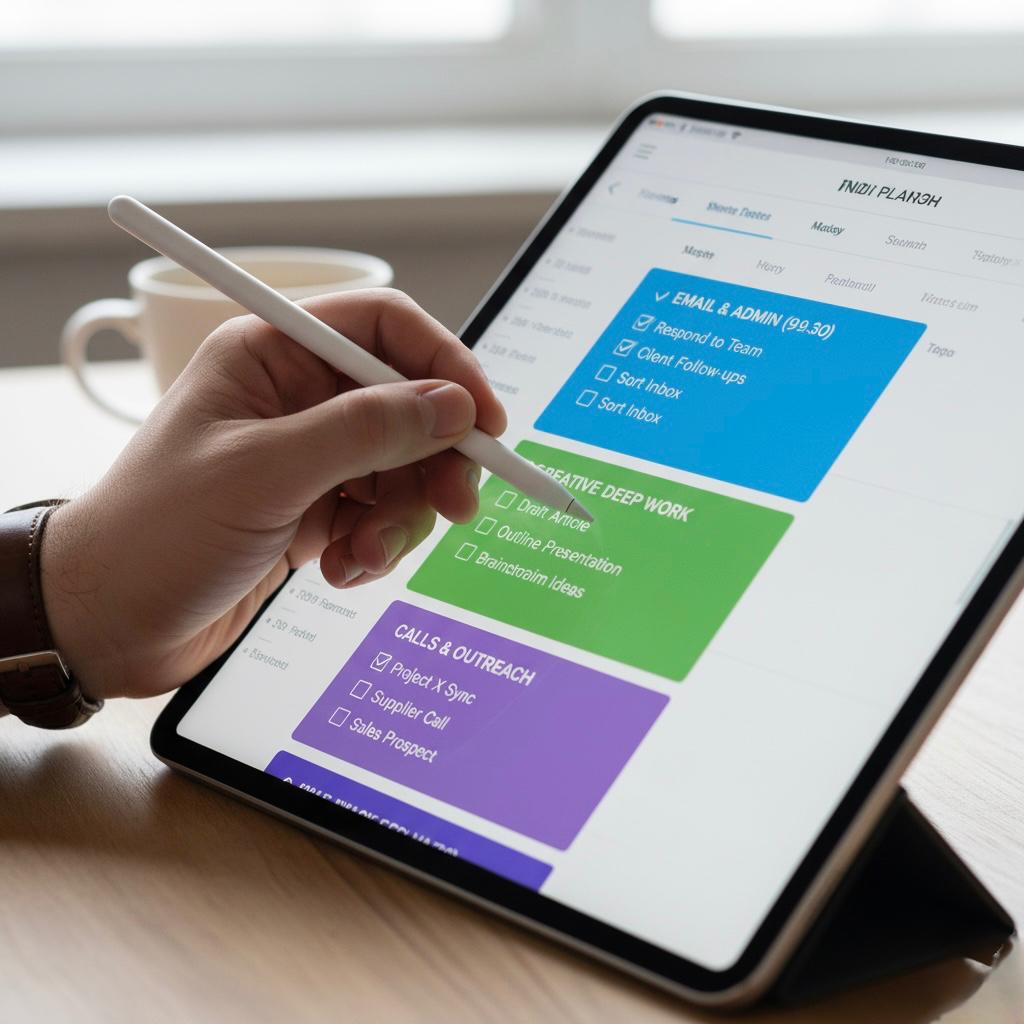
Imagine cooking dinner. You would not chop one carrot, wash the knife, then chop another carrot and repeat the process. Instead, you cut all the vegetables at once. This simple principle is at the core of task batching. It means grouping similar tasks together and working on them in one focused block instead of spreading them out across the day.

What Is Task Batching
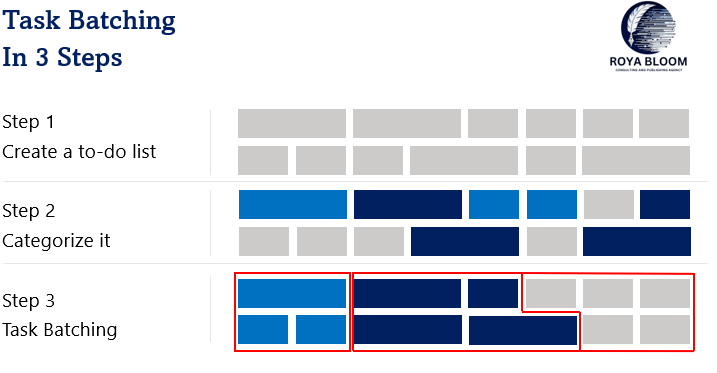
Task batching is a time management method where you organize similar tasks and handle them in a single session. For example, answering emails, making phone calls, or writing reports are done in blocks rather than one by one whenever they appear. The goal is to reduce context switching, the mental cost of moving from one type of task to another.
Studies have shown that switching between tasks can lower productivity by up to 40 percent (Mark et al., 2008)1. By batching, you reduce this wasted energy and create more mental space for deep work.
In Professional Life
At work, task batching helps manage repetitive tasks that often break focus. Instead of checking emails all day, you set two blocks for email and leave the rest of the day for larger projects. Meetings can also be batched. Many companies are now creating “meeting days” to free up the other days for focused work. This structure increases output and lowers stress.
In Home Office
Working from home often blurs boundaries. Batching can bring back structure. You could batch house chores in one block, work calls in another, and creative tasks in a third. This way, you avoid the constant back and forth between home duties and work tasks, which often makes people feel busy but not productive.
In Studying
For students, batching study sessions by subject or type of work is highly effective. Instead of doing a little math, then some history, then back to math again, you set a clear block for one subject. Research on learning shows that focused sessions create stronger memory connections compared to scattered study habits (Cepeda et al., 2006).
In Daily Life
Even outside work or study, batching helps. You can batch errands by doing them all in one trip, batch cooking for several days at once, or batch creative hobbies. This saves not only time but also energy, because you avoid starting from zero every time.
How to Start
- Identify tasks you repeat daily or weekly
- Group them into categories (emails, calls, errands, creative work)
- Block time for each group instead of spreading them out
- Protect the batch from interruptions as much as possible
Task batching works because it respects the way the human brain focuses best. By doing one type of work at a time, you use less energy on transitions and more energy on progress. The result is greater productivity and a calmer mind.nd ease. Start implementing this technique today and experience the transformative impact on your productivity and success.
You can also follow us on:
Substack , Instagram , LinkedIn , Facebook , Bluesky , TikTok , Pinterest , Flipboard
And don’t forget to sign up for our newsletter to get the next article








Leave a comment