
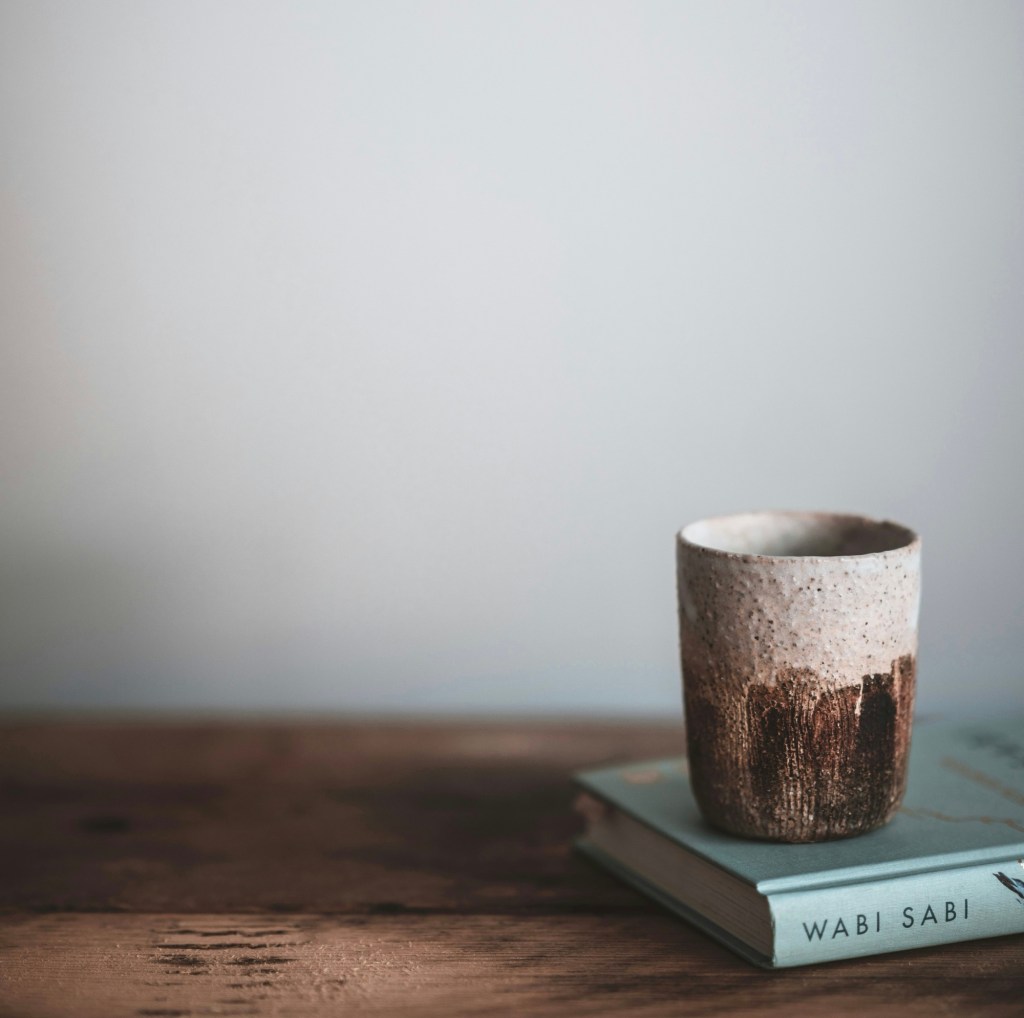
Imagine finding beauty not in polished perfection, but in the cracks and flaws that tell a story. Picture valuing the fleeting nature of life rather than fighting it, and embracing the elegance of simplicity instead of chasing excess. This is the essence of Wabi-Sabi, the Japanese philosophy that finds perfection in imperfection and celebrates the impermanent nature of everything.
What is Wabi-Sabi?
At its core, Wabi-Sabi is the art of appreciating the imperfect, the impermanent, and the incomplete. The term “wabi” conveys simplicity, humility, and harmony with nature, while “sabi” refers to the beauty that comes with age, wear, and the passage of time. Together, Wabi-Sabi offers a way of seeing the world that is both deeply spiritual and refreshingly practical.
In a culture often driven by the pursuit of flawless achievement, Wabi-Sabi encourages us to slow down and savor the imperfections and the natural cycle of growth and decay.
How Wabi-Sabi Can Transform Your Perspective
The philosophy of Wabi-Sabi applies not just to art and design but also to how we live, work, and interact with others. By embracing its principles, we can find greater peace and contentment in a world that constantly demands more.
- Acceptance Over Perfection:
Wabi-Sabi reminds us that nothing lasts forever and that imperfections are a natural part of life. Whether it’s a crack in a favorite cup or a personal setback, Wabi-Sabi teaches us to see these moments as opportunities to grow rather than problems to fix. - Embracing Simplicity:
In a world full of distractions, Wabi-Sabi encourages us to pare down to the essentials. It’s about appreciating what truly matters—relationships, experiences, and a connection to the world around us—rather than chasing material excess. - The Beauty of Aging:
Unlike societal pressures that glorify youth and perfection, Wabi-Sabi values the character and wisdom that come with age. It sees wear and tear as a story to be celebrated, not hidden.
How to Incorporate Wabi-Sabi Into Your Life
You don’t need to live in a Japanese tea house to embrace Wabi-Sabi. Its principles can be seamlessly integrated into your daily routine.
1. At Home
- Declutter and simplify your living space. Keep only what brings you joy or serves a purpose.
- Choose natural, handmade, or aged items over mass-produced perfection.
- Embrace imperfections in your belongings—celebrate the scratches, cracks, and wear that reflect your life’s journey.
2. In Work
- Let go of the pursuit of flawless execution. Focus instead on effort, progress, and growth.
- Create a workspace that fosters simplicity and creativity.
- Recognize and celebrate the imperfections in team dynamics—they often lead to innovative solutions.
3. In Relationships
- Accept the imperfections in yourself and others. Build deeper connections by embracing authenticity over appearances.
- Find joy in the small, fleeting moments of togetherness.
4. In Personal Growth
- Reflect on the transient nature of life. Use this awareness to prioritize what matters most to you.
- Practice gratitude for the present moment, even when it’s messy or imperfect.
- Seek beauty in your own flaws—they make you uniquely human.
Wabi-Sabi for the Modern World
Wabi-Sabi is more relevant than ever in today’s hyper-connected, achievement-driven society. It offers an antidote to the stress of perfectionism, the endless cycle of comparison, and the fear of impermanence.
- For Mental Health:
Embracing Wabi-Sabi can help reduce anxiety and perfectionism. It encourages mindfulness and self-compassion, reminding us that it’s okay to be imperfect. - For Work-Life Balance:
Wabi-Sabi promotes a minimalist mindset—focusing on what truly matters and letting go of unnecessary stressors. It’s about quality over quantity, both in work and personal life. - For Creativity:
Perfection can stifle creativity, while imperfections often spark innovation. Wabi-Sabi encourages experimentation and the courage to create without fear of failure.
The Practice of Kintsugi: A Reflection of Wabi-Sabi
One of the most powerful visual representations of Wabi-Sabi is the Japanese art of Kintsugi—repairing broken pottery with gold. Instead of hiding the cracks, Kintsugi highlights them, transforming the damage into something beautiful and unique.
This practice reflects a key lesson of Wabi-Sabi: that what seems broken or imperfect can actually become a source of strength and beauty. Imagine applying this principle to your own life. The challenges you’ve faced, the mistakes you’ve made—they are not flaws to be hidden but stories to be celebrated.
Why Wabi-Sabi Matters
In a society that constantly pushes us to do more, have more, and be more, Wabi-Sabi reminds us to pause, breathe, and appreciate life as it is. It’s a philosophy that invites us to focus on authenticity over perfection, substance over appearance, and presence over achievement.
By embracing Wabi-Sabi, we can transform not only how we see the world but also how we live in it. Life doesn’t need to be flawless to be fulfilling. Sometimes, it’s the cracks in the surface that let the light shine through.
How will you bring Wabi-Sabi into your life today? Share your thoughts and let’s celebrate the beauty of imperfection together.








Leave a reply to Exploring Philosophies and Mindsets from Around the World – Roya Bloom Cancel reply