
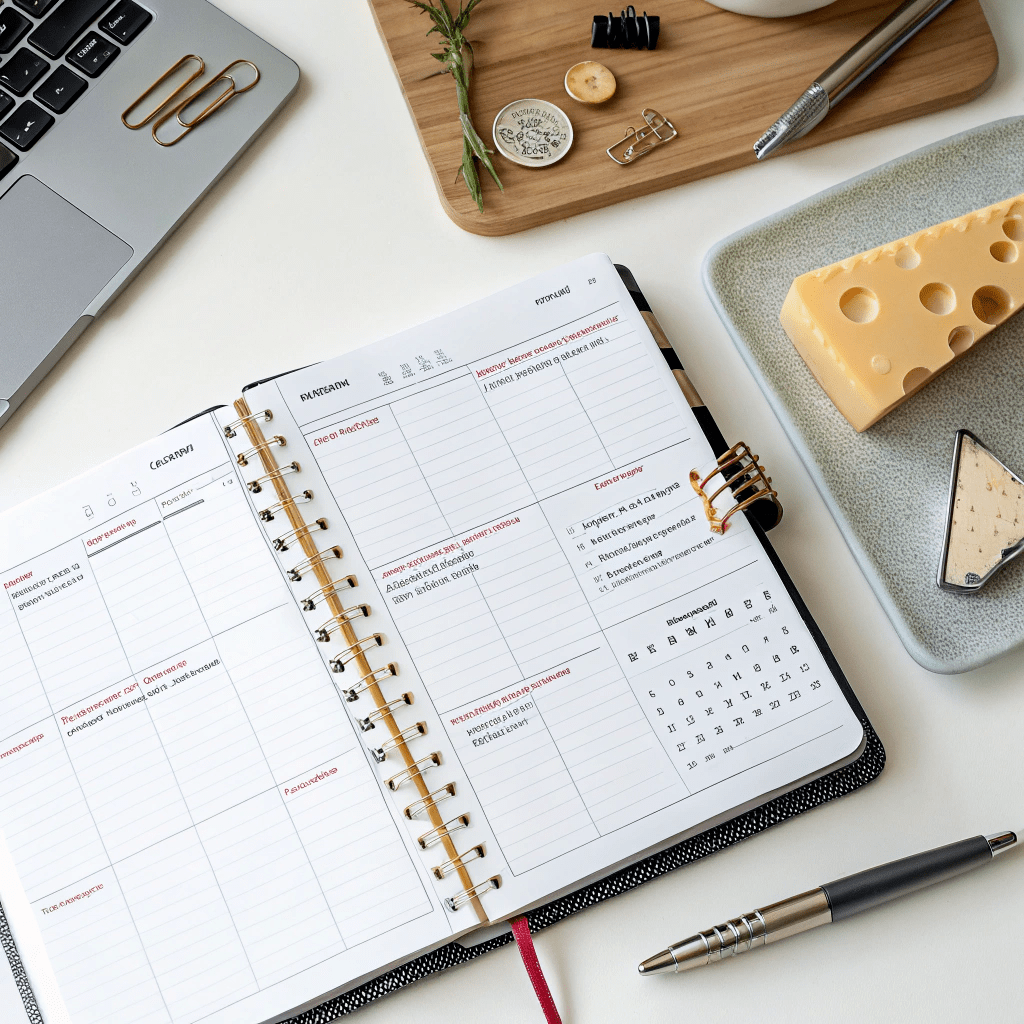
Ever stared at a big task, feeling completely stuck? Whether it’s an overwhelming project, a major report, or a high-stakes meeting, the sheer size of the task can make you freeze. That’s where the Swiss Cheese Technique comes in—a simple yet effective way to break through procrastination and make progress, no matter how daunting the task seems.
Originally introduced by Alan Lakein, a time management expert, this method helps you chip away at big tasks by tackling small, manageable parts—just like poking holes in Swiss cheese.
How the Swiss Cheese Technique Works?
Instead of trying to complete a task in one go, the Swiss Cheese Method encourages breaking it down into smaller steps. These “holes” in the task create momentum, making it easier to keep going. The key is to focus on progress rather than perfection.
Two approaches can be used:
• Small Time Commitments: Spend 5–15 minutes on a part of the task. Even if you don’t finish, you’ve started.
• Tackling Smaller Subtasks: Work on easy or quick parts first, so the project starts to feel less intimidating.
By consistently making small efforts, the task becomes less overwhelming, and before you know it, you’ve completed it.
Applying the Swiss Cheese Technique to Meetings
Meetings often suffer from inefficiency—lengthy discussions, unclear objectives, and lack of follow-through. The Swiss Cheese Method can transform the way you approach meetings by ensuring that progress happens in small, strategic steps instead of tackling everything at once.
- Pre-Meeting: Break Down the Agenda
Instead of a long, overwhelming discussion, break the agenda into bite-sized topics. Prioritize urgent items and structure the meeting to focus on quick wins first.
- Example: Instead of discussing a large project update all at once, separate it into status updates, roadblocks, and next steps.
- During the Meeting: Address Issues in Small, Actionable Steps
Rather than trying to solve complex problems in one go, tackle the easiest or most immediate parts first.
- Example: If a marketing strategy needs improvement, start by brainstorming quick adjustments before moving to long-term strategy.
Use the Swiss Cheese approach to decision-making by addressing low-hanging fruit before diving into difficult discussions.
- After the Meeting: Assign Small, Immediate Actions
Meetings often fail when follow-ups are too vague or overwhelming. Instead of broad action items, assign small, specific next steps that can be completed quickly.
- Example: Instead of “Improve the website,” assign “Gather feedback from five users by Friday.”
By applying the Swiss Cheese Technique to meetings, you ensure faster progress, less overwhelm, and better execution.
Why This Method Works
- Reduces Overwhelm: Large tasks can be intimidating and lead to procrastination. By breaking them down into smaller parts, the Swiss Cheese Method makes them more approachable and less overwhelming.
- Increases Motivation: Each small action completed provides a sense of accomplishment, boosting your motivation to keep going. This creates a positive feedback loop that encourages further progress.
- Utilizes Small Time Slots: The Swiss Cheese Method is perfect for those who have busy schedules and limited time. It allows you to make progress during small pockets of time that might otherwise go unused.
- Builds Momentum: Small actions build momentum, making it easier to maintain a steady pace of progress. This momentum can carry you through to the completion of the task.
- Improves Focus: Focusing on one small part of a task at a time helps to improve concentration and reduce distractions.
Applying the Swiss Cheese Method in Different Contexts
- Work Projects: Whether you’re working on a complex report or a long-term project, breaking it down into smaller tasks can help you manage your workload more effectively. Use the Swiss Cheese Method to tackle sections or specific tasks within the project, making consistent progress.
- Household Chores: Cleaning and organizing your home can be daunting. Apply the Swiss Cheese Method by focusing on one room or one area at a time. Clean for 10-15 minutes, and over time, you’ll see significant progress.
- Personal Goals: If you’re working towards personal goals such as learning a new skill or improving your fitness, break down your goals into daily or weekly actions. Small, consistent efforts will accumulate over time, leading to significant achievements.
- Studying: For students, the Swiss Cheese Method can be a lifesaver during exam periods or when tackling large assignments. Break your study sessions into smaller chunks and focus on one topic or section at a time.
- Creative Projects: Writers, artists, and other creatives can use this method to overcome creative blocks. Instead of waiting for large blocks of inspiration, make small amounts of progress regularly, eventually leading to the completion of your project.
Tips for Successfully Using the Swiss Cheese Method
- Set Clear Goals: Define what you want to achieve with each small action. Clear goals help maintain focus and ensure that each step contributes to the overall task.
- Use a Timer: Set a timer for 5-15 minutes and commit to working on the task for that duration. This creates a sense of urgency and helps you stay focused.
- Track Your Progress: Keep a record of the small actions you’ve completed. Seeing your progress on paper or a digital tracker can be incredibly motivating.
- Stay Flexible: Sometimes, you may need to adjust your approach. If one part of the task is taking longer than expected, break it down further into even smaller steps.
- Reward Yourself: Celebrate your progress, no matter how small. Rewards can boost your motivation and make the process more enjoyable.
Final Thoughts
The Swiss Cheese Technique is a powerful tool for tackling big tasks—whether it’s managing a complex project or running an effective meeting. Small steps lead to big results. Try it today and see how it transforms your approach to work and meetings.
What’s one big task or meeting challenge you could poke holes into today? Let me know in the comments!
Ready to Rethink How You Run Meetings?
Explore our full guide:
Optimizing Meetings with 5 Proven Productivity Techniques
From preparation to follow-through, this article walks you through 5 evidence-based techniques to transform how your team collaborates and decides.
Streamline Your Meetings with Our New Meeting Minutes Template
Want to make your meetings even more organized and actionable? Check out our newly added Meeting Minutes Template in our Etsy shop. Designed to help you capture key decisions, assign tasks, and keep teams aligned, this template is the perfect tool to implement Bezos’ productivity principles.
📩 Stay Connected!
Follow us on Instagram, LinkedIn, Pinterest, and Facebook for more productivity tips and tools. And don’t forget to sign up for our newsletter to get exclusive resources and updates straight to your inbox!









Leave a reply to Optimizing Meetings with 5 Proven Productivity Techniques – Roya Bloom Cancel reply