
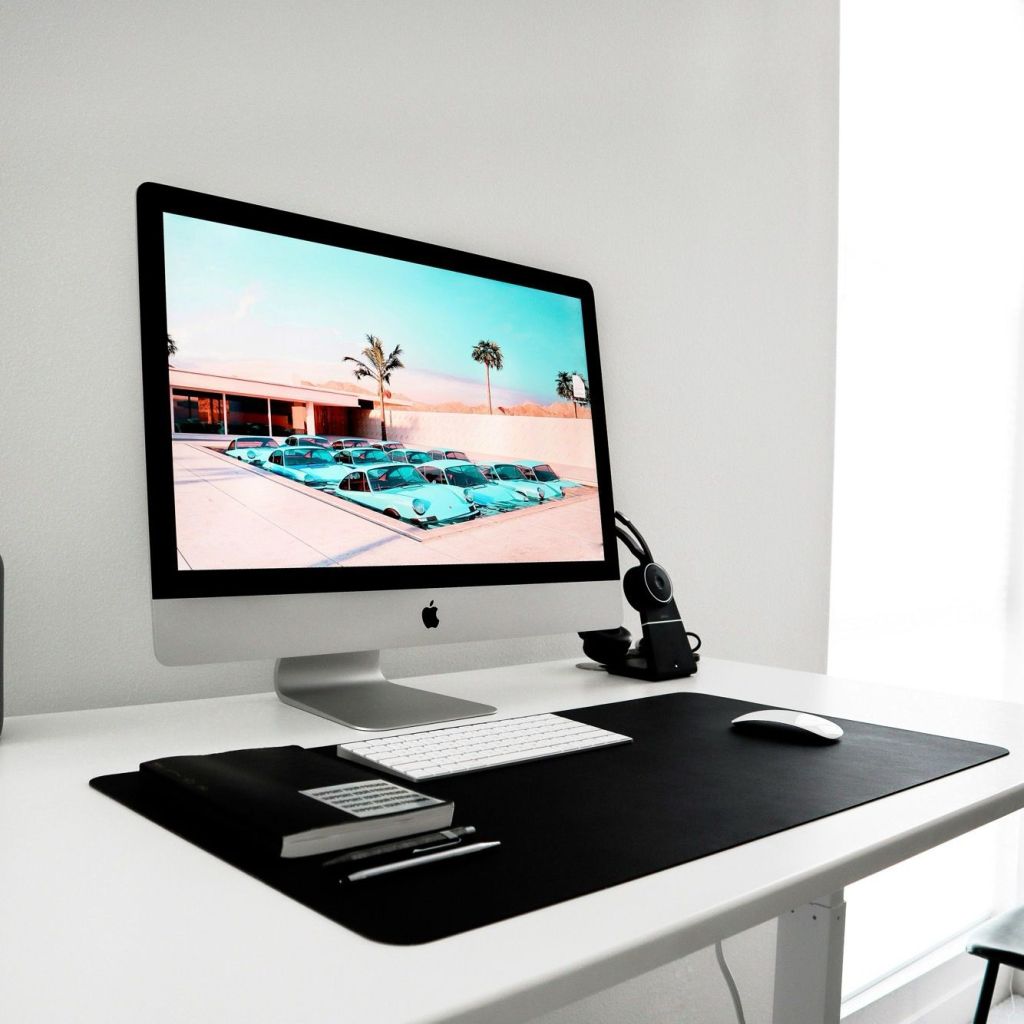
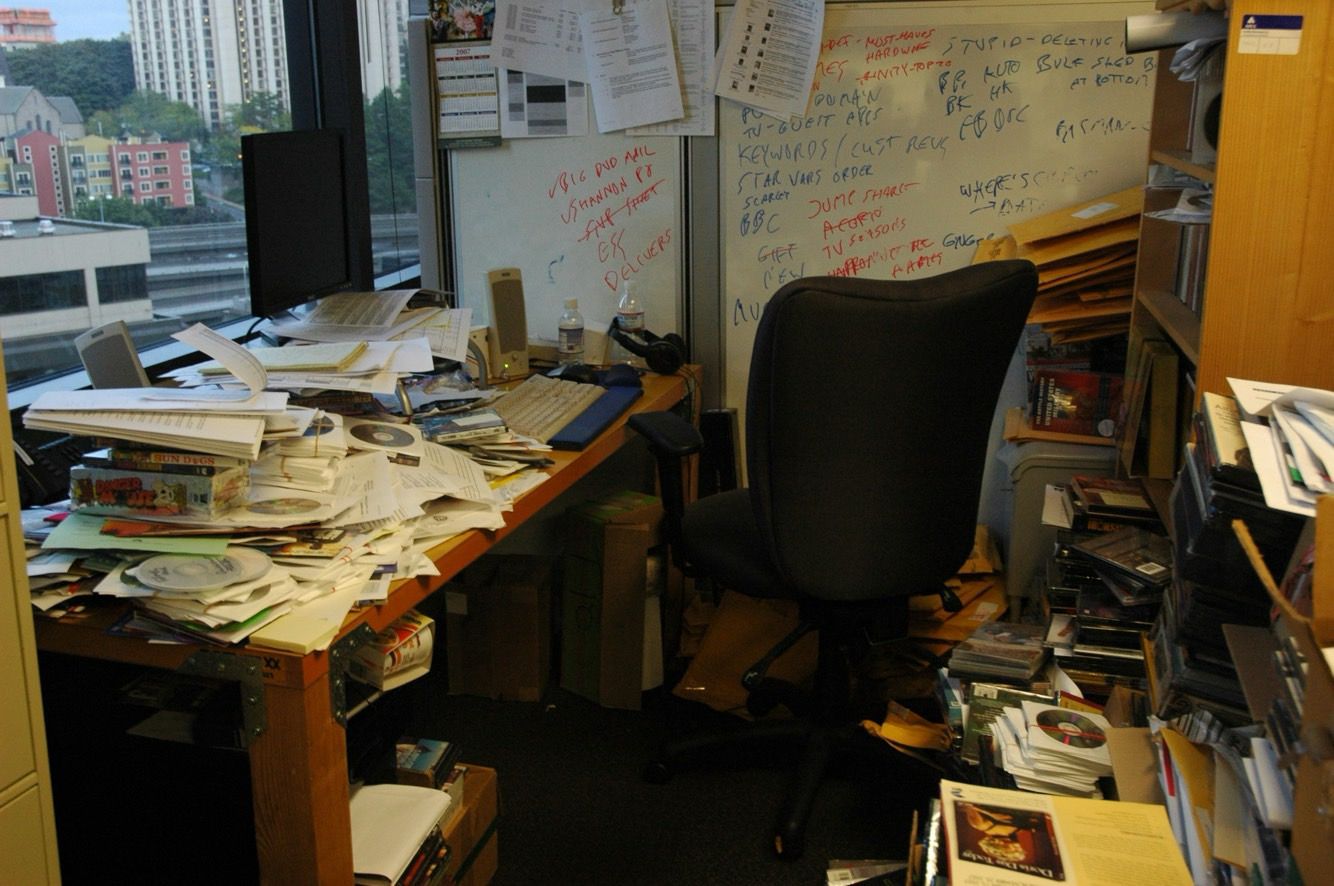
Picture this: two desks side by side—one buried in papers, tangled cables, and used coffee mugs; the other, neat and thoughtfully arranged with only the essentials.
Which space invites you to sit down and get something done?
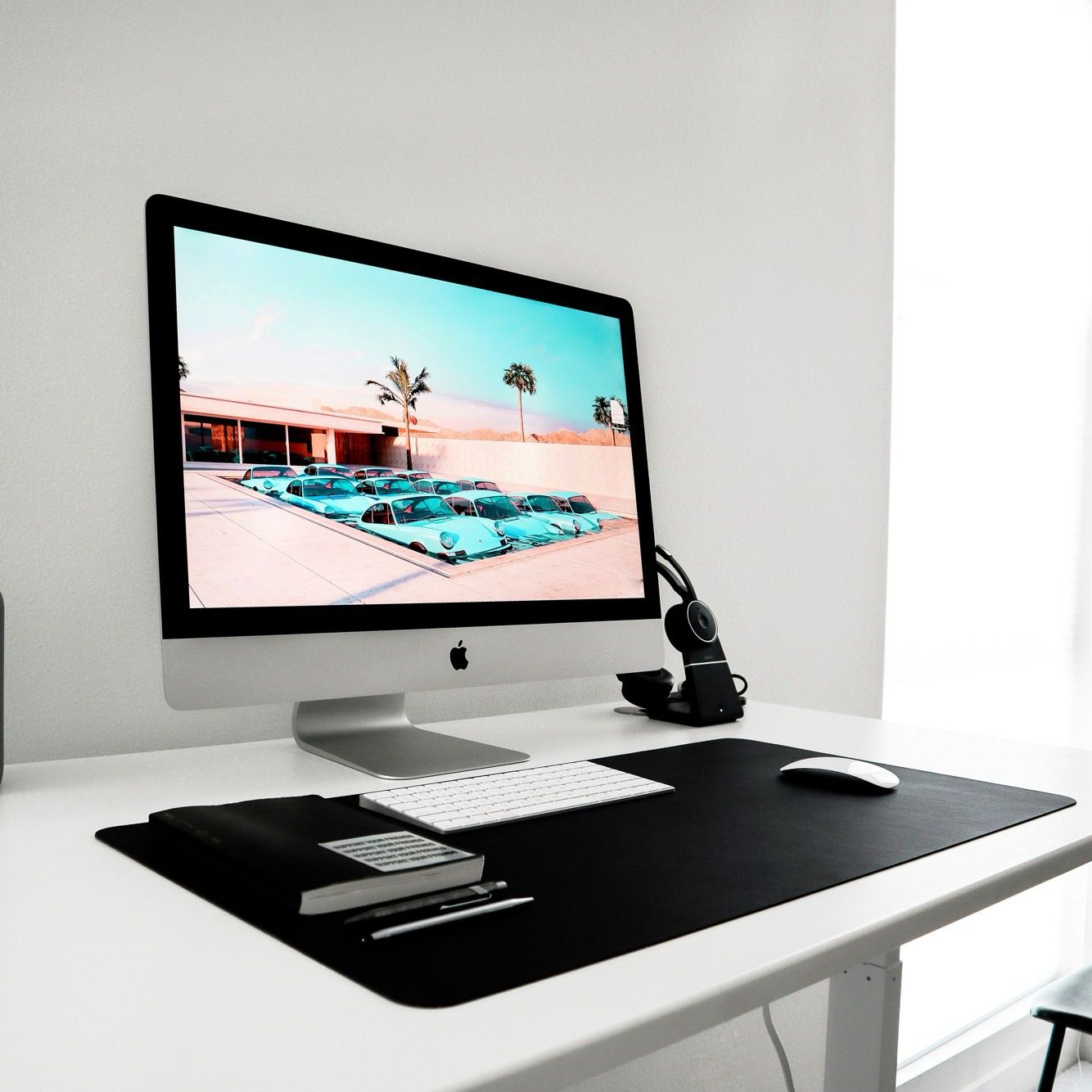
Most people gravitate toward order. And it turns out, science backs this instinct..
Why Clutter Hurts Productivity
A cluttered environment competes for your attention.
According to a study from the Princeton Neuroscience Institute, physical clutter in your surroundings competes for your attention, resulting in decreased performance and increased stress. The study revealed that multiple stimuli in your visual field force the brain to work harder to focus and process information (McMains & Kastner, 2011).
Another study published in the Personality and Social Psychology Bulletin found that people who described their homes as “cluttered” or full of “unfinished projects” were more likely to experience fatigue and depression than those who described their homes as “restful” and “restorative” (Saxbe & Repetti, 2010).
The message is clear: an untidy workspace doesn’t just look chaotic—it actually disrupts your mental clarity and emotional well-being.
The Clean Desk = Clear Mind Principle
A clean, organized workspace removes visual distractions, simplifies decision-making, and reduces the mental load required to filter out unnecessary stimuli.
It sets a tone for discipline, focus, and control. Whether you’re working from home or at the office, your desk becomes a silent partner in your daily performance.
Professionals in fields like UX design and software development—where cognitive load management is crucial—often apply minimalism in both digital and physical spaces for this very reason.
Let’s Visualize It: What Would You Choose?
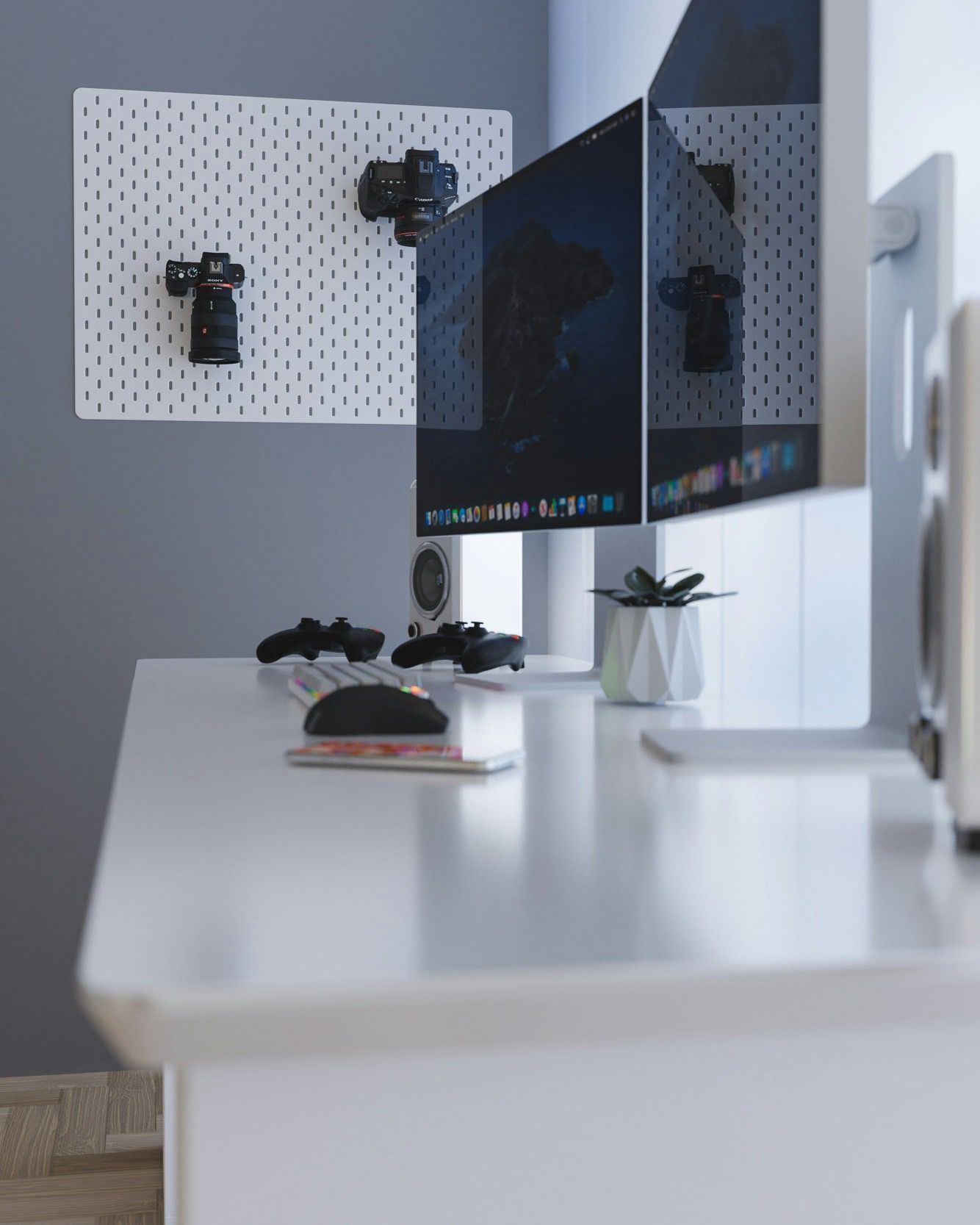

Both of these desks tell a story.
Which one would you rather work at? Which one feels more like a launchpad—and which one feels like a trap?
Proven Techniques to Organize and Maintain a Productive Workspace
Getting organized isn’t just about tidying up once—it’s about building systems that work for you. Here are some science-backed and experience-tested techniques to help:
1. Start with a Workspace Reset
Take 20 minutes to clear everything off your desk. Only put back the items you use daily. Store the rest in drawers, boxes, or shelves.
Tip: Use the “One-Touch Rule”—handle each item only once and decide: keep, file, toss, or donate.
2. Use Zones
Create distinct zones: one for your computer, another for writing or reading, a shelf for resources, and a drawer or bin for miscellaneous items. Zoning reduces visual noise and keeps you grounded in your task.
3. Declutter Digitally
Your desktop (on your computer) is just as important as your physical one.
Organize your folders, close unused browser tabs, and use distraction blockers if needed.
4. Adopt the 5-Minute Habit
Before you log off for the day, take five minutes to reset your workspace. File away notes, wash your cup, toss out scraps. That way, you start tomorrow fresh.
5. Incorporate Biophilic Elements
Adding plants or natural light to your workspace can boost mood and cognitive function. A 2014 study from the University of Exeter found that enriching a “lean” office with plants increased productivity by 15%.
The Workspace That Works for You
An organized desk isn’t just about aesthetics—it’s a tool for better thinking, better focus, and better outcomes.
It’s not about being perfect. It’s about being intentional.
So, take a look at your own workspace today.
Does it support the work you want to do—or sabotage it?
Stay Connected
Want more tools and science-backed productivity tips?
→ Follow us on Instagram, LinkedIn, Pinterest, and Facebook: @royabloom
→ Sign up for our newsletter.







Leave a comment