
You tell yourself:
“Today I’ll focus.”
“No more distractions.”
“This time, I’ll stick to the plan.”
But by lunch, you’re deep in email, YouTube, or cleaning your desk instead of working on your actual task. Sound familiar?
It’s not a discipline problem. It’s an environment problem.
Nudge Theory shows that if you want to change your behavior, don’t fight your habits, design around them.
What Is Nudge Theory?
Nudge Theory comes from behavioral economics and was popularized by Richard Thaler and Cass Sunstein in their book Nudge (2008)1.
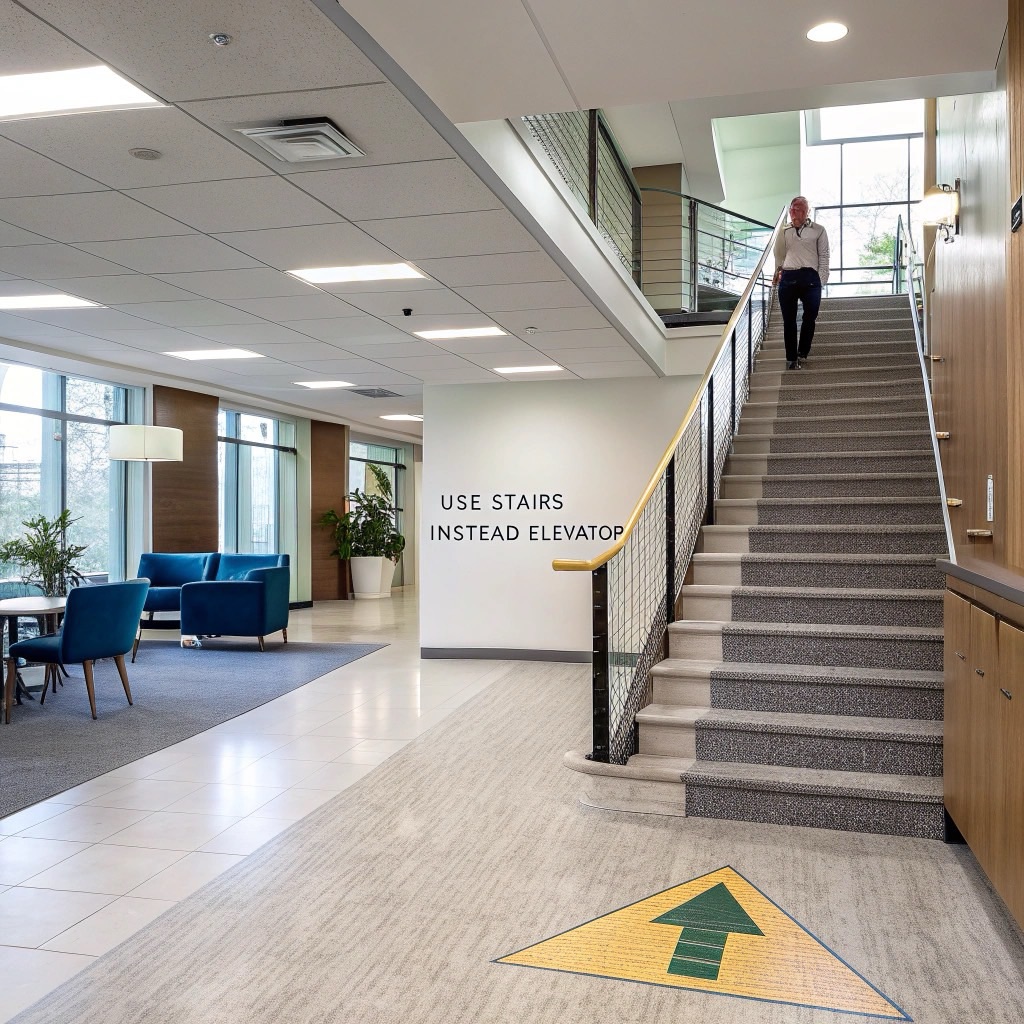
A nudge is a small change in how choices are presented that helps people make better decisions without forcing them.
Instead of shouting “just try harder,” nudging quietly shifts your environment so the easier path is also the better one.
Think of it as invisible support for your goals.
Nudges in Everyday Life
You’ve already experienced nudges, whether you noticed them or not:
- Cafeteria design: Putting fruit at eye level increases healthy eating.
- Default settings: Opting people in to retirement savings plans increases participation.
- Smartphone UX: Apps use red badges to nudge you into checking them compulsively.
The key insight: Your surroundings influence your actions more than your intentions do.
Nudging in the Home Office and Study Setup
When working or studying from home, your environment has even more control over your behavior. You have no team watching, no external schedule you rely on yourself.
This is where nudges can help.
1. Out of Sight = Out of Mind
- Keep your phone in another room while working.
- Hide distracting tabs with browser extensions.
- Turn off push notifications across all devices.
2. Make Good Habits the Default
- Open your laptop directly to your task manager or document.
- Keep your notes or study materials visible and accessible.
- Pre-fill your calendar with blocks for deep work and breaks.
3. Reduce Friction for Focus
- Use a clean, minimal workspace.
- Prepare your tools in advance so you don’t waste time “getting ready”.
- Batch similar tasks to stay in one mental mode longer.
4. Use Visual Cues
- Place your daily goals on a sticky note in front of you.
- Use color to highlight your most important task.
- Set a visual timer (like Pomodoro) to gently nudge yourself back when drifting.
The Science Behind It
A study by Johnson & Goldstein (2003)2 found that organ donation rates were significantly higher in countries where opt-in was the default, compared to countries where people had to actively choose.
The difference? Not values. Just the form design.
“If you want people to do something, make it easy.” – Richard Thaler
The same applies to your focus and productivity. Don’t wait for a surge of motivation. Adjust your setup so good behavior happens by default.
You Don’t Need More Willpower
Willpower is unreliable. It fades under stress, tiredness, or boredom. But a well-designed environment works 24/7.
Next time you want to focus, ask:
- How can I make the good choice easier?
- How can I make the bad choice harder?
- Can I change the default behavior of my space, tools, or routine?
When you shift your environment, you don’t have to “try harder.” You just follow the path of least resistance and it finally leads where you want to go.
You can also follow us on:
Substack , Instagram , LinkedIn , Facebook , Bluesky , TikTok , Pinterest , Flipboard
And don’t forget to sign up for our newsletter to get the next article in this series — We’ll explore Growth Mindset vs. Fixed Mindset, and how your beliefs about ability shape your learning, performance, and career development.
Explore the full series: Why You Do What You Do – And How to Change It







Leave a reply to Why You Do What You Do – And How to Change It – Roya Bloom Cancel reply