
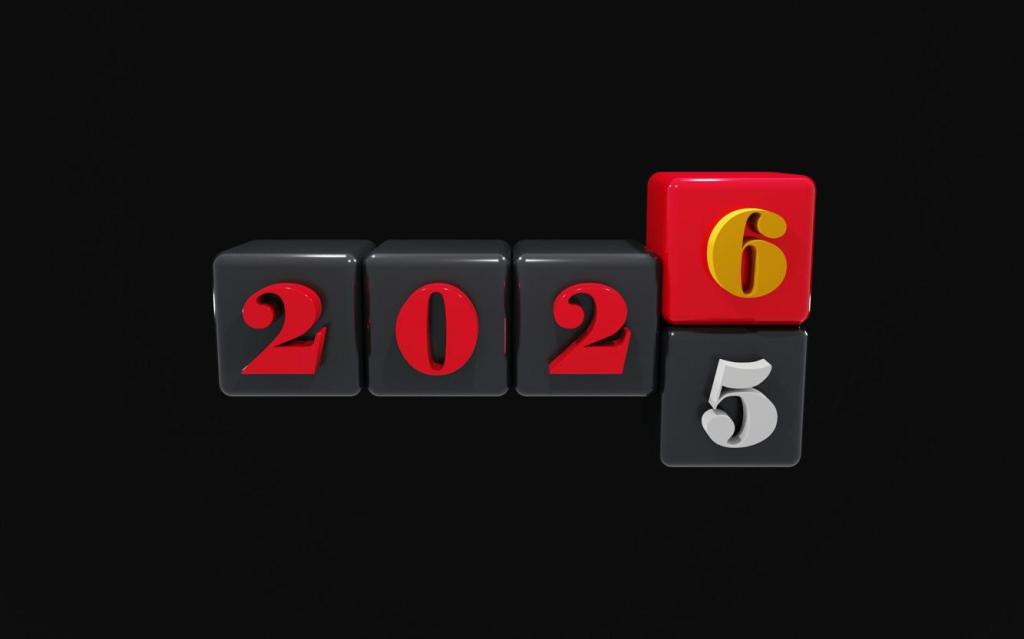
There is a strange confidence that arrives every year on the last days of December. You can be sitting on the sofa, eating leftover chocolate, and still feel certain that everything will change on January first. New habits. New routines. A new version of yourself.
But the calendar cannot change you. Only your actions can.
So why do we still set New Year resolutions even though most of them fail within weeks? And why does the new year feel like the right moment to start again?
Why We Set Resolutions in January
There is a psychological reason for this. Researchers call it the fresh start effect. When we reach a clear time boundary like the new year, our brain creates a mental separation between our past self and our future self. This gives us permission to let go of old behavior and imagine a better version of who we want to become.
It feels easier to start a goal when we believe we are starting as a new person.
But this feeling is short lived. Neuroscience shows that motivation is highest at the beginning of a goal but drops quickly if actions do not follow fast. The brain rewards anticipation with a brief dopamine spike, which tricks us into thinking that planning is progress. Once the excitement fades, reality arrives.
This is the moment when most resolutions disappear.
Why Resolutions Fail So Often
It is not because people are weak. It is because the structure of most goals is weak.
Here are the most common reasons:
1. The targets are too big
“Run a marathon.”
“Become fit.”
“Study more.”
Big promises feel inspiring but the brain rejects them because they are vague and overwhelming. Without a clear plan, the brain avoids action to protect energy.
2. There is no system
You cannot rely on willpower. Willpower drains quickly, especially in stressful work life or home office conditions. Systems are what create consistency.
3. Emotions are ignored
Neuroscience shows that habits are built when emotion and reward are linked to a behavior. If the new habit does not feel rewarding early, the brain does not build the pathway.
4. Goals are focused on pressure not identity
Many resolutions begin with “I should…”
But change lasts when it comes from “I want to become someone who…”
Identity driven goals anchor behaviors deeply.
How You Can Make Resolutions Work
Start with something small
Your brain builds habits through repetition, not intensity. A two minute action repeated daily wires a stronger pathway than a two hour effort done once.
Make the goal specific
Do not promise yourself a new life. Promise yourself a clear action.
Not “study more” but “review notes for ten minutes after each lecture.”
Not “get fit” but “walk fifteen minutes every day.”
Create a system
A system is the routine that supports your goal.
For example:
- Study at the same time every day
- Block a fixed time for exercise
- Keep your phone in another room during deep work
Replace pressure with identity
Ask: Who do I want to become?
Then choose one daily action that matches this identity.
How It Influences Work Life
In professional life, change is rarely about skill. It is about consistency. Resolutions often fail at work because the environment is full of interruptions, unclear goals, and decision overload.
Clear and small resolutions help you:
- reduce procrastination
- set boundaries in home office
- stay focused during meetings
- build confidence through small wins
Even simple habits like planning the next day in two minutes or keeping your inbox clean can shift your productivity.
How It Influences Studying
Students often set heavy resolutions: study more, get better grades, read every day. These broad goals create guilt instead of momentum. A resolution works in studying when it creates structure, not pressure.
For example:
- preview the next class for five minutes
- rewrite one key idea after each lecture
- avoid multitasking during revision
Small steps create stronger learning pathways than giant study sessions.
How It Influences Daily Life
Resolutions extend beyond work and study. They shape how you eat, sleep, organize your home, and manage stress. A simple resolution like cleaning for five minutes or preparing clothes the night before can reduce cognitive load and increase mental clarity.
When you understand the psychology and neuroscience behind change, resolutions stop being an annual disappointment. They become a tool to improve the quality of your life all year.
What Comes Next in This Series
This article is the introduction to a series where we look deeper into the forces that shape our behavior and the traps that cause our resolutions to collapse.
The next articles will explore:
Each one reveals why change is difficult and how you can make it easier.
Here are some great ideas for “New Year Challenges“.









Leave a reply to The Procrastination Equation: Why We Delay and How to Beat It – Roya Bloom Cancel reply