

You start your day with a clear plan. By mid-morning, your list is growing instead of shrinking. What started as a few tasks has expanded into a long string of small requests, emails, and distractions. This is task creep, and it can silently destroy your productivity.
What Is Task Creep
Task creep happens when small, often unplanned tasks slowly take over your schedule. A single email becomes a ten-minute conversation. A simple request turns into a full project. Before you know it, your original plan is lost.
The danger of task creep is that it is almost invisible. Each small task seems harmless, but together they consume hours and reduce focus on your main goals.
How It Impacts Professional Life
At work, task creep is everywhere. Meetings run over time. Colleagues ask for quick updates. Reports turn into detailed analyses. Without control, your day becomes reactive instead of proactive.
Task creep is especially dangerous in home office environments. The lack of clear boundaries between work and personal space means small interruptions, like checking a message or answering a family call, easily expand into larger time sinks.
How It Impacts Studying
Students also face task creep. You plan to study one chapter, but suddenly you are reorganizing notes, looking up references, or checking unrelated resources. The main learning goal gets delayed while minor tasks dominate your session.
This not only reduces study efficiency but increases mental fatigue and stress. Small distractions multiply when there is no clear plan or time boundary.
How It Impacts Daily Life
Task creep is not limited to work or study. Household chores, social commitments, and errands can all expand without notice. A five-minute cleanup can turn into an hour of sorting, cleaning, and reorganizing.
Repeated task creep leads to feelings of overwhelm, frustration, and guilt because the most important goals are left unfinished.
How to Prevent Task Creep
1. Prioritize Your Core Tasks
Identify the three most important outcomes for the day. Treat everything else as secondary.
2. Set Time Boundaries
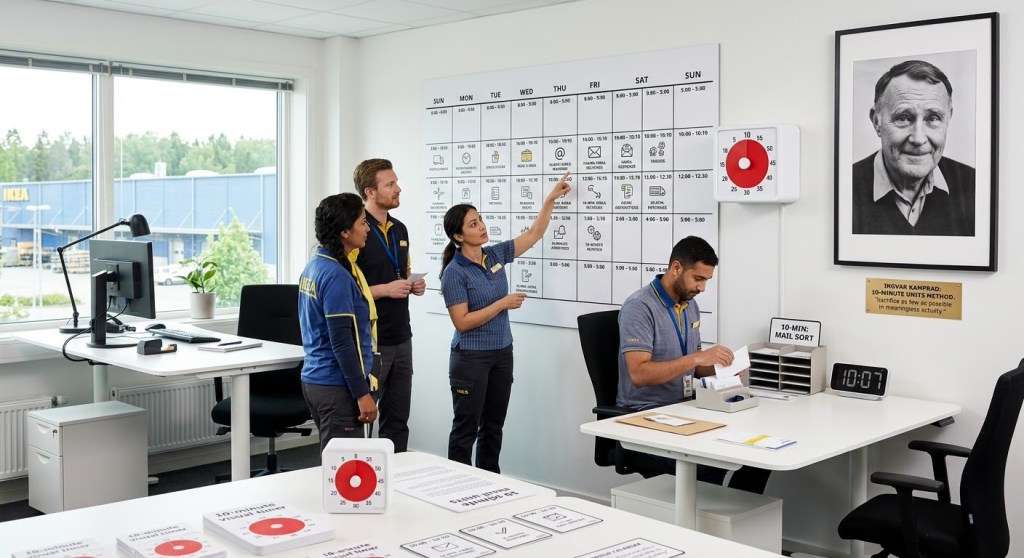
Give each task a clear start and end time. Stop when the time is up, even if the task is not fully completed.
3. Batch Similar Tasks
Group small, similar tasks together. Respond to emails in one block instead of interrupting your main work repeatedly.
4. Learn to Say No or Delegate
Not every task requires your attention. Decide quickly whether to handle it yourself, assign it, or postpone it.
5. Review Your Day
At the end of each day, see which tasks expanded beyond their intended time and why. Reflection helps prevent future creep.
Why It Matters
Task creep drains focus, energy, and motivation. By understanding it and actively managing your tasks, you regain control of your time. You can focus on meaningful work, complete studies efficiently, and free up energy for life outside work or school.
Small, consistent changes like prioritizing, batching, and reviewing make a big difference. Stopping task creep is not about doing less it is about doing what matters most without letting minor distractions take over.
Explore the full series: Resolutions for the New Year: Why We Make Them and Why They Often Break








Leave a comment