
-
 Continue reading →: Climbing Back Down – How the Ladder of Inference Shapes What We Believe and Do
Why do two people look at the same situation and walk away with completely different interpretations? The answer often lies in a cognitive shortcut called the Ladder of Inference—a mental model that explains how we move from observable facts to deeply held beliefs and actions, often in seconds and usually…
-
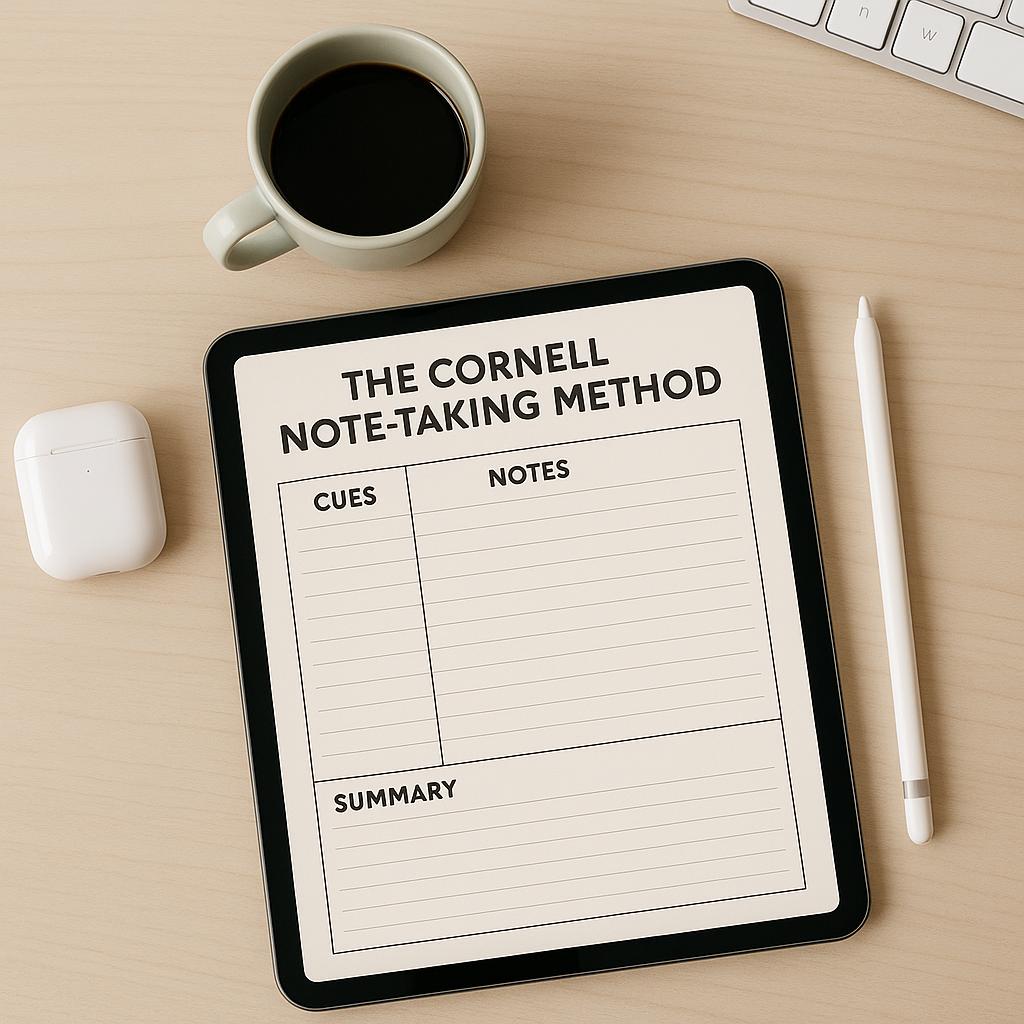 Continue reading →: The Cornell Note-Taking Method: Structure That Sticks
You’ve filled notebooks, highlighted articles, and scribbled across margins—but when it’s time to recall information, your memory falls flat. Sound familiar? If so, you might not need more notes—you need better ones. The Cornell Note-Taking Method was developed in the 1940s by Walter Pauk, an education professor at Cornell University.…
-
 Continue reading →: Why Do We Stop Trying? Understanding Learned Helplessness
Imagine a situation where no matter how hard you try, nothing seems to change. Over time, you stop making an effort—even when a solution becomes available. This isn’t just frustration; it’s a psychological phenomenon known as learned helplessness. Coined by psychologists Martin Seligman and Steven Maier in the 1960s, learned…
-
 Continue reading →: The Sticky Note Method: A Flexible Tool for Active Thinking and Learning
There’s something surprisingly powerful about a small square of paper. Sticky notes may seem simple, but when used intentionally, they can become one of the most versatile and effective tools for capturing, organizing, and engaging with information. This method isn’t just about jotting reminders. It’s about visually mapping your thoughts,…
-
 Continue reading →: The Impact of a Clean and Organized Workspace on Productivity
Picture this: two desks side by side—one buried in papers, tangled cables, and used coffee mugs; the other, neat and thoughtfully arranged with only the essentials.Which space invites you to sit down and get something done? Most people gravitate toward order. And it turns out, science backs this instinct.. Why…
-
 Continue reading →: Doodle Note-Taking: Where Creativity Meets Cognitive Retention
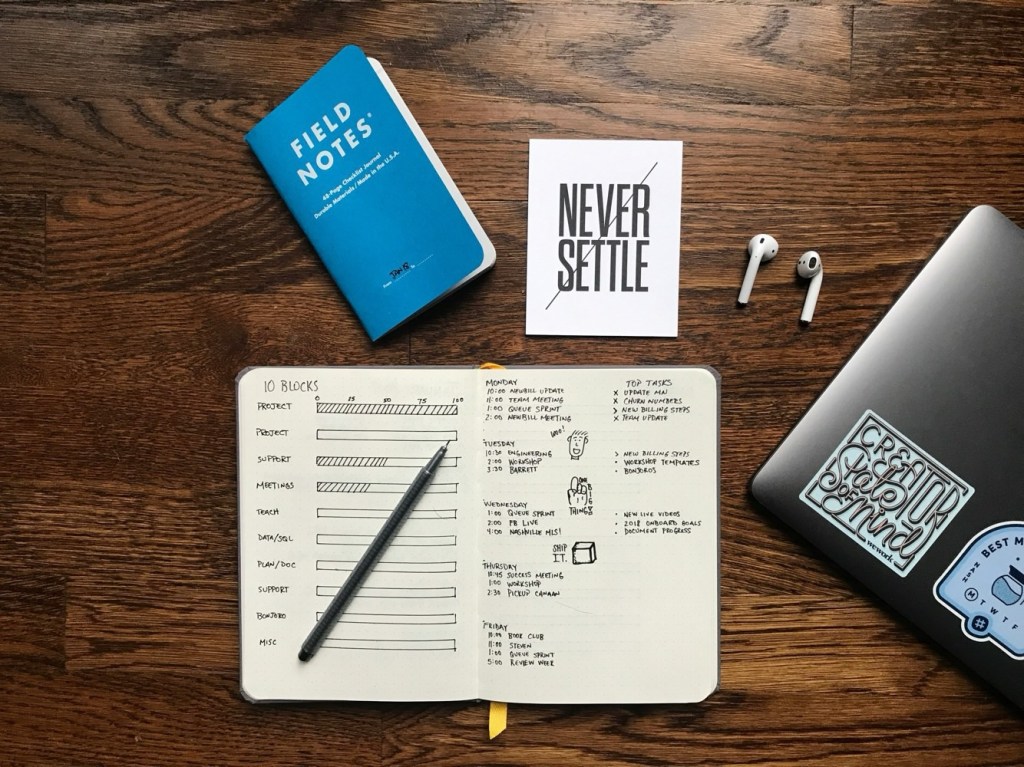
Some minds don’t just think in lines of text—they thrive in images, colors, and sketches. If traditional note-taking feels rigid or forgettable, the Doodle Note-Taking Method might be the key to unlocking deeper engagement and memory retention. What Is the Doodle Note-Taking Method? Doodle note-taking combines visuals, sketching, and handwritten…
-
 Continue reading →: Mastering Meetings with the 5/5/5 Method
Meetings are an essential part of any organization, facilitating communication, collaboration, and decision-making. However, poorly managed meetings can lead to wasted time, frustration, and decreased productivity. The 5/5/5 Method is a structured approach designed to make meetings more efficient and effective by ensuring clarity, focus, and actionable outcomes. What is…
-
 Continue reading →: Richard Branson’s Secret to Faster, More Effective Meetings: Stay Standing
Meetings that drag on for hours, filled with unnecessary discussions and side conversations, are a major drain on productivity. Richard Branson, the founder of Virgin Group, has a simple yet powerful solution: keep everyone standing. The Science Behind Standing Meetings Branson is known for his unconventional leadership style, and his…
-
 Continue reading →: The Shrinking Theory: Why Less Time Leads to More Focus
Ever noticed how a task that should take 30 minutes somehow expands into an hour when given the time? Or how deadlines magically boost productivity? That’s the Shrinking Theory in action—the idea that when time is limited, focus sharpens, decisions speed up, and productivity increases. Nowhere is this more relevant…
-
 Continue reading →: Is Your Meeting Too Crowded to Be Productive?
Steve Jobs believed in simplicity—not just in design, but also in how teams worked together. One of his most effective productivity strategies? Keep meetings small. Jobs famously kept Apple’s meetings tight and purposeful, inviting only the people who were absolutely necessary. If you didn’t have a clear role, you weren’t…
This is Roya Bloom!
Your Day, Your Way, Our Planner

Questions, suggestions, or just want to say hello? We’d love to hear from you! Reach out to us using the information below, and our team will get back to you as soon as possible. Let’s make things happen together!
Let’s connect
Join the fun!
Stay updated with our latest productivity hacks by joining our newsletter.