-
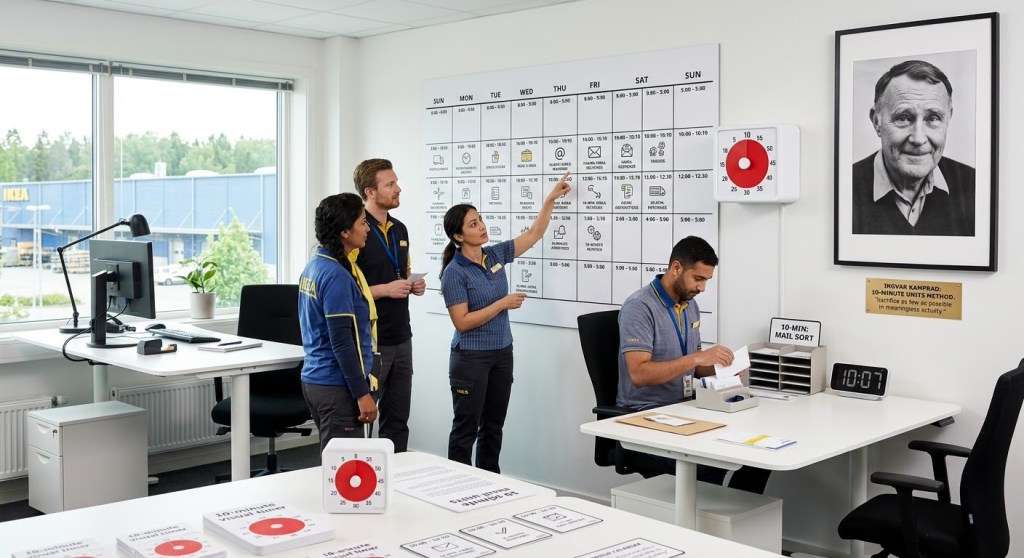
 Continue reading →: Decompensation: When Stress Breaks Your System
You try to keep up with everything. Deadlines, emails, meetings, assignments, and personal obligations pile up. You push yourself to maintain performance, but at some point, your energy and focus start to fail. This is decompensation — when your coping system can no longer keep up. What Is Decompensation Decompensation…
-
 Continue reading →: The Procrastination Equation: Why We Delay and How to Beat It
You know the feeling. You sit down to start an important task, check your phone, make a coffee, or scroll the internet instead. Hours pass, and the work is still waiting. Procrastination is not laziness. It is a predictable pattern explained by the Procrastination Equation. What Is the Procrastination Equation…
-
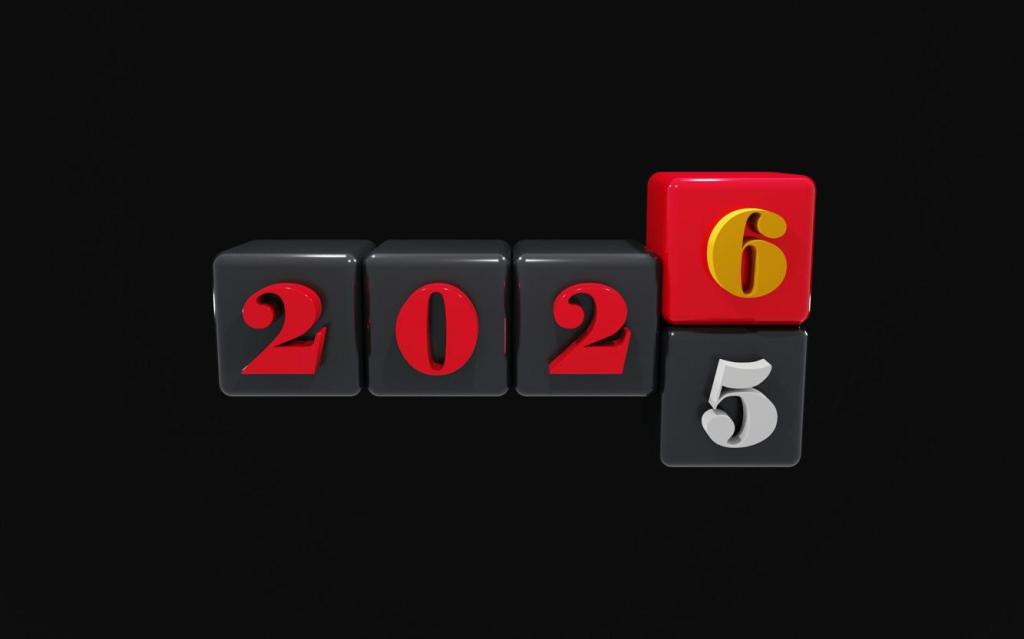 Continue reading →: Resolutions for the New Year: Why We Make Them and Why They Often Break
There is a strange confidence that arrives every year on the last days of December. You can be sitting on the sofa, eating leftover chocolate, and still feel certain that everything will change on January first. New habits. New routines. A new version of yourself. But the calendar cannot change…
-
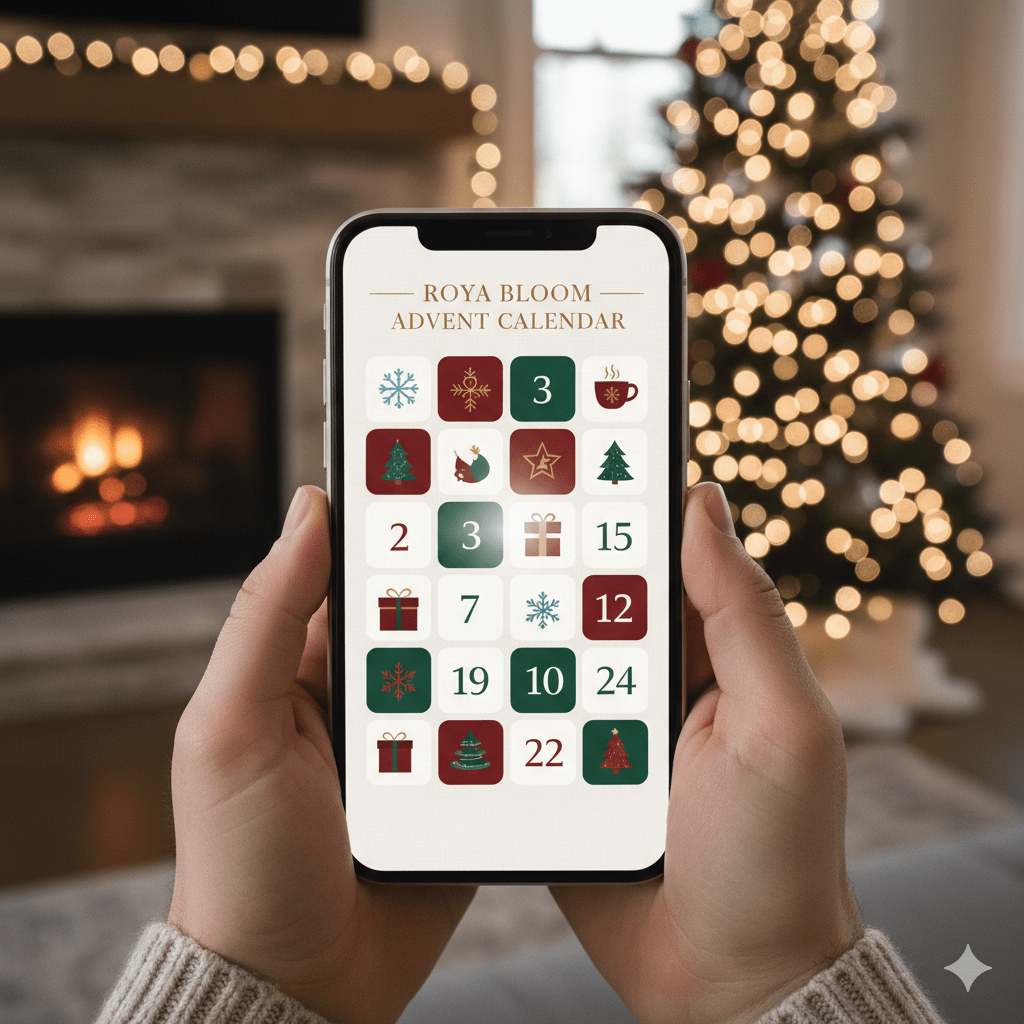 Continue reading →: Welcome to the Roya Bloom Advent Calendar
Each day of the season invites you to open a door and uncover one of our most loved and most frequently read articles. These selected pieces represent the highlights of our work: the concepts, ideas and stories that have inspired the greatest number of readers throughout the year. Behind each…
-
 Continue reading →: Black Friday: What Really Happens in Your Brain
Attention!! BLACK FRIDAY DEAL!! This is your one time chance! Only for selected customers! Limited edition! Available for a short time only! It sounds important.It sounds urgent.And before you even think about it, a small part of your mind reacts.Curiosity. Excitement. Or the quiet thought: Maybe I should not miss…
-
 Continue reading →: PDCA: A Simple Cycle to Improve Work and Life
Have you ever started a project with great motivation only to realize halfway that you forgot to test your idea, measure your results, or adjust your approach? This is where the PDCA cycle can change the way you work, study, and manage daily life. What Is PDCA PDCA stands for…
-
 Continue reading →: The Productivity Paradox: Why More Tools Do Not Always Mean More Results
Have you ever added a new app, read another book on efficiency, or tried a new method hoping it would make everything easier, only to find yourself busier than before? This is the heart of the Productivity Paradox. It is the strange reality that more tools, more systems, and even…
-
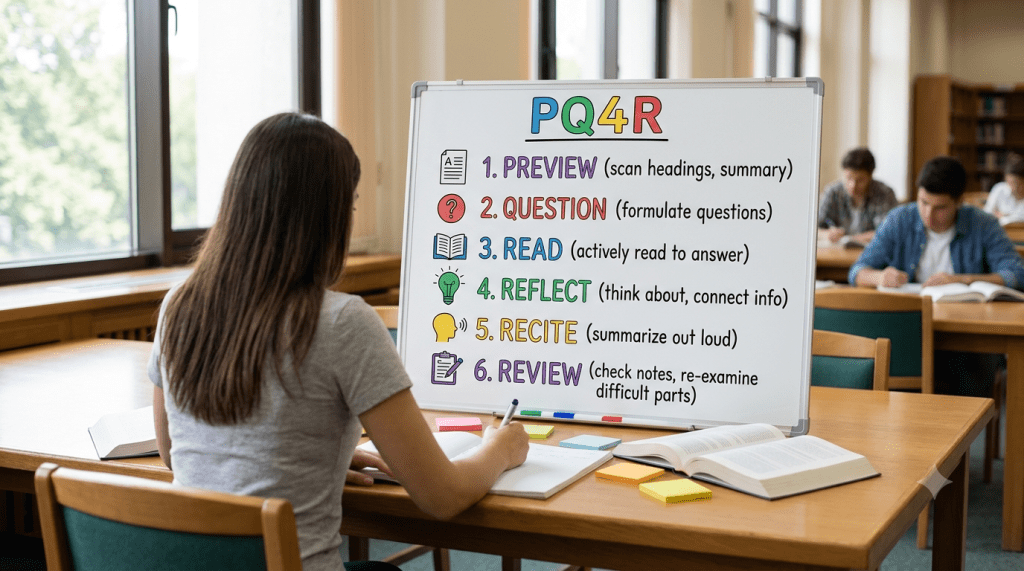
 Continue reading →: The REAP Method: Learning That Stays With You
You can read pages of information and still forget everything the next day. The problem is not your memory. It is how you read. The REAP method helps you move from passive reading to active learning so that what you read truly stays with you. What Is the REAP Method…
-
 Continue reading →: The Circle of Influence: Focus on What You Can Control
There are always things you worry about. The economy, the behavior of colleagues, world events, or even the weather on an important day. Many of these are out of your hands. Yet they often consume energy and attention. The Circle of Influence is a simple way to shift focus toward…
-
 Continue reading →: The Rule of 100 Hours: How Small Efforts Create Big Results
Imagine you want to learn a new language, play guitar, or master a skill for your career. The idea often feels overwhelming. Where do you even start? The Rule of 100 Hours gives a very simple answer. If you spend 100 hours a year on one skill, you will progress…
This is Roya Bloom!
Your Day, Your Way, Our Planner

Questions, suggestions, or just want to say hello? We’d love to hear from you! Reach out to us using the information below, and our team will get back to you as soon as possible. Let’s make things happen together!
Let’s connect
Join the fun!
Stay updated with our latest productivity hacks by joining our newsletter.