
Have you ever read a chapter, watched a video, attended a meeting, and then realized a few days later that you remember almost nothing?
You are not alone.
Many people spend hours learning, but very little time thinking about how they learn. They focus on collecting information instead of understanding and remembering it. The result is frustration, wasted time, and the feeling that learning is harder than it should be.
The good news is that learning is a skill. And like any skill, it can be improved.
This article is the introduction to a new series about learning methods and learning strategies. In the coming weeks, we will explore techniques such as the Leitner System, KWL Method, 3Q3R, PQ4R, and how learning is changing in the age of Artificial Intelligence. Before we dive into these methods, it is important to understand why learning methods matter in the first place.
Learning Is Not the Same as Studying
Many people believe that learning simply means spending time with information. Reading a book, watching a tutorial, or attending a course feels productive. However, exposure to information is not the same as learning.
Real learning happens when information is understood, connected to existing knowledge, and remembered long enough to be used later.
Think about it this way. Reading a recipe does not make you a great cook. Reading about swimming does not teach you how to swim. Learning requires active engagement.
This is where learning methods become valuable. They help transform information into knowledge that you can actually use.
Why Learning Matters in Professional Life
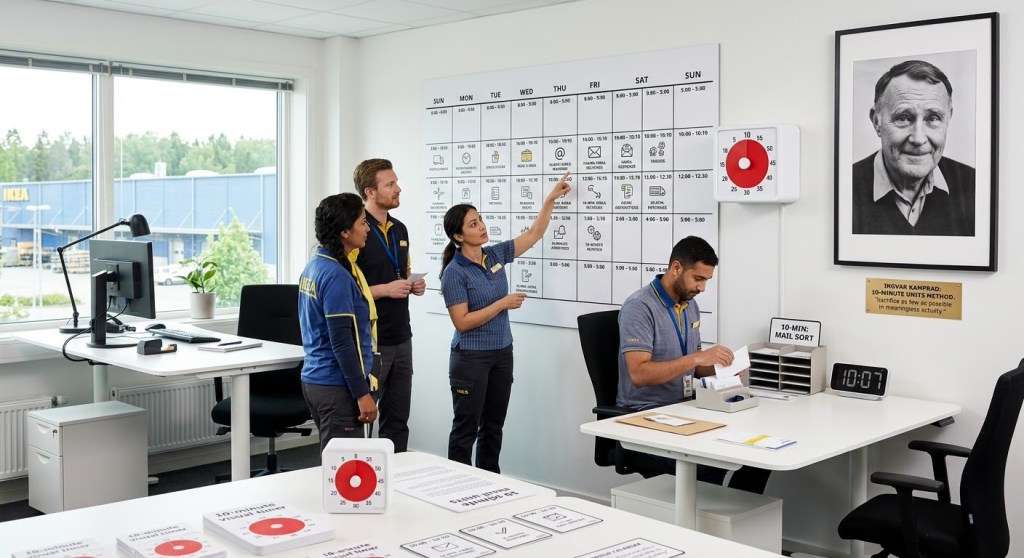
The workplace is changing constantly. New tools, technologies, processes, and expectations appear every year. Employees who continue learning often adapt faster and stay competitive.
Learning effectively can help you:
- Develop new skills faster
- Improve problem solving abilities
- Adapt to changes in your industry
- Increase confidence at work
- Open doors for career growth
This is especially important in home office environments. Remote work often requires more self directed learning because support from colleagues is not always immediately available. Knowing how to learn efficiently saves time and reduces frustration.
Why Learning Matters for Students
For students, learning methods can make the difference between studying longer and studying smarter.
Many students spend hours rereading notes, highlighting textbooks, or reviewing the same material repeatedly. While these activities feel productive, research shows that they are often less effective than active learning techniques.
Good learning methods help students:
- Remember information longer
- Prepare more effectively for exams
- Improve concentration
- Reduce study stress
- Use their time more efficiently
The goal is not to study more. The goal is to learn better.
Why Learning Matters in Everyday Life
Learning does not stop after school or university.
Every day we learn new skills, solve problems, make decisions, and adapt to changing situations. Whether you are learning a language, managing finances, improving productivity, or understanding a new hobby, effective learning helps you make progress faster.
Strong learning skills also improve confidence. When you know how to approach new information, challenges become less intimidating.
Instead of thinking, “I cannot do this,” you start thinking, “I just need the right method.”
The Science Behind Effective Learning
Our brains are not designed to remember everything we encounter. In fact, forgetting is normal.
To move information into long term memory, the brain needs repetition, understanding, and active recall.
This is why simply reading something once rarely works.
Effective learning methods are built around principles such as:
- Repetition over time
- Active recall of information
- Connecting new ideas with existing knowledge
- Reflection and review
- Practical application
The methods in this series use these principles in different ways.
A Preview of the Upcoming Articles
In this series, we will explore several proven learning approaches.
Learning in Today’s World with AI
Artificial Intelligence is changing how we access information. We will explore how AI can support learning while avoiding the trap of becoming dependent on instant answers.
The Leitner System
A simple but powerful flashcard method that uses spaced repetition to improve memory and long term retention.
The KWL Method
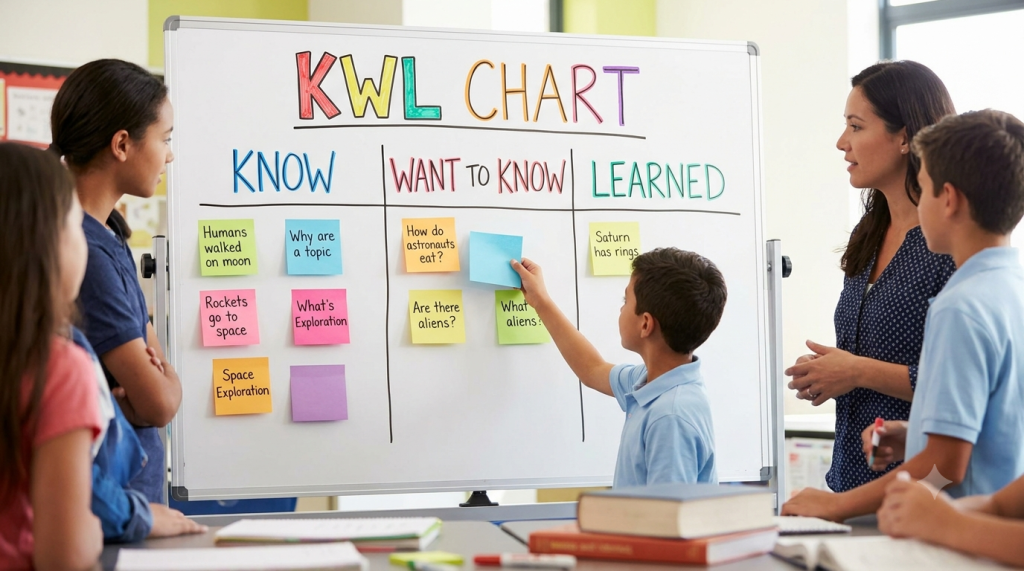
A structured learning approach based on three questions: What do I Know, What do I Want to know, and What have I Learned?
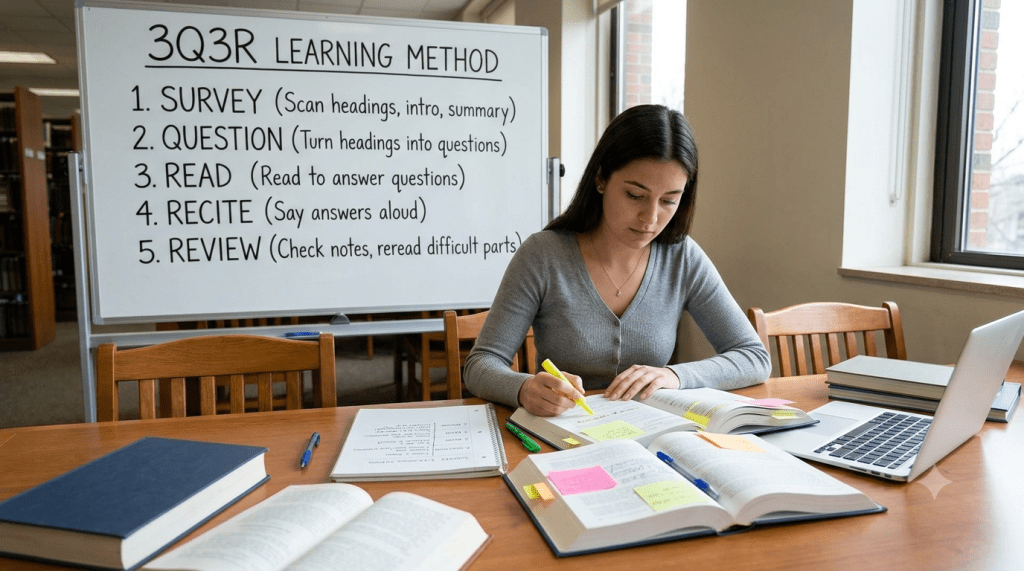
The 3Q3R Method
A reading strategy designed to improve comprehension and retention through questioning and active engagement.
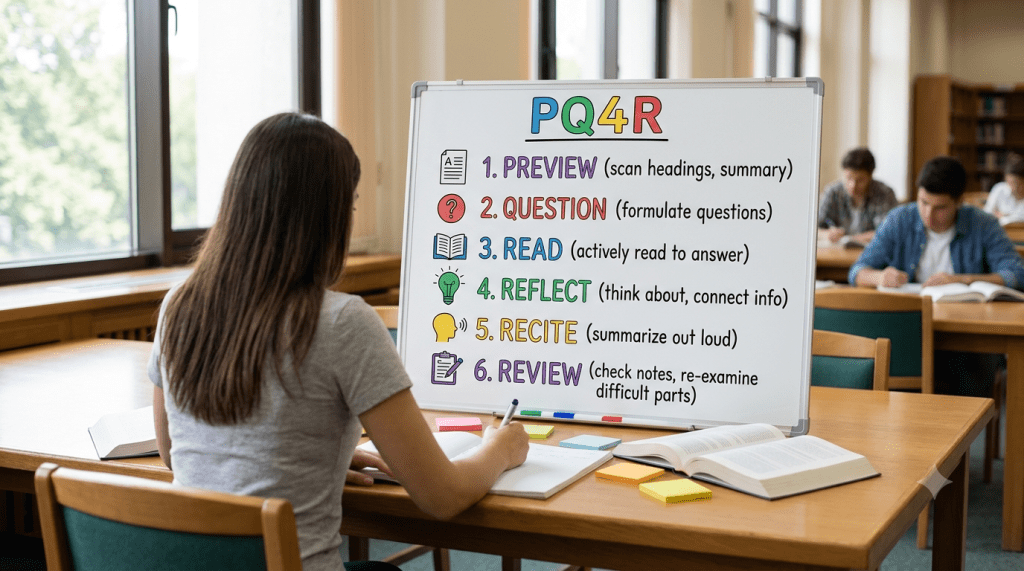
The PQ4R Method
A learning framework that helps transform passive reading into active understanding and stronger memory formation.
Each method has strengths and works best in different situations. The goal is not to find one perfect technique, but to build a personal learning toolbox.
Learning is one of the most valuable skills you can develop. It affects your career, your education, your productivity, and your personal growth.
The people who learn effectively are not necessarily the smartest people in the room. They are often the people who understand how their brain works and use methods that support it.
The good news is that these skills can be learned by anyone.
In the next articles, we will explore practical techniques that can help you learn faster, remember more, and make better use of your time.
Because learning is not about how much information you consume.
It is about how much you can understand, remember, and apply.
Previously Published Articles in This Learning Series
If you are interested in learning, memory, and personal growth, you may also enjoy these articles from our blog:




Leave a comment